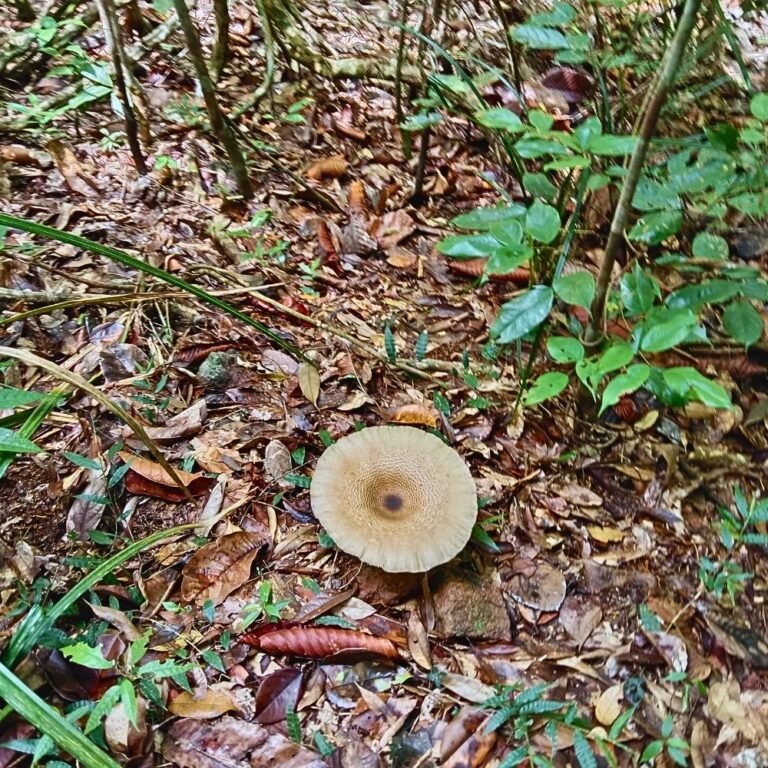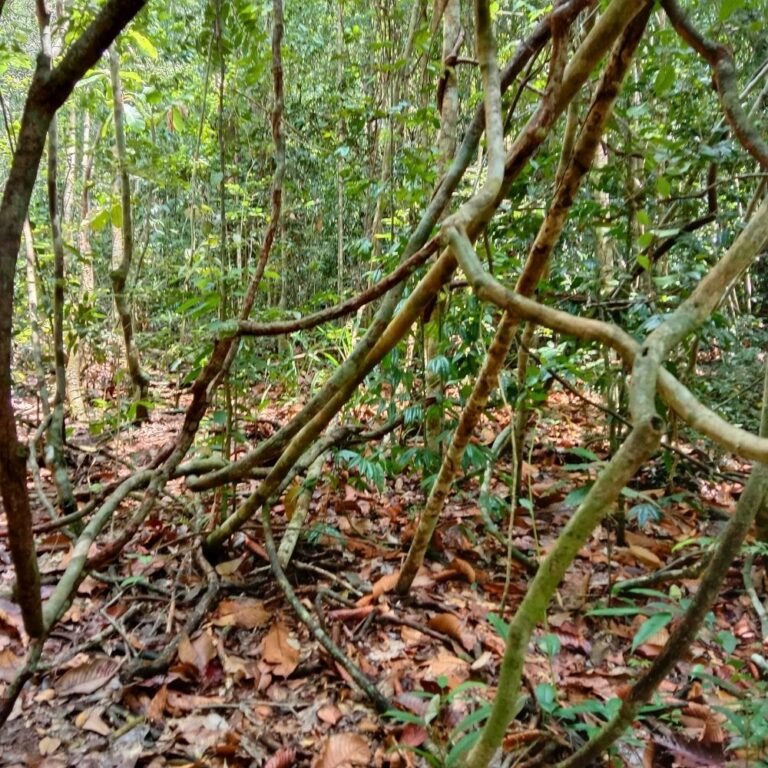
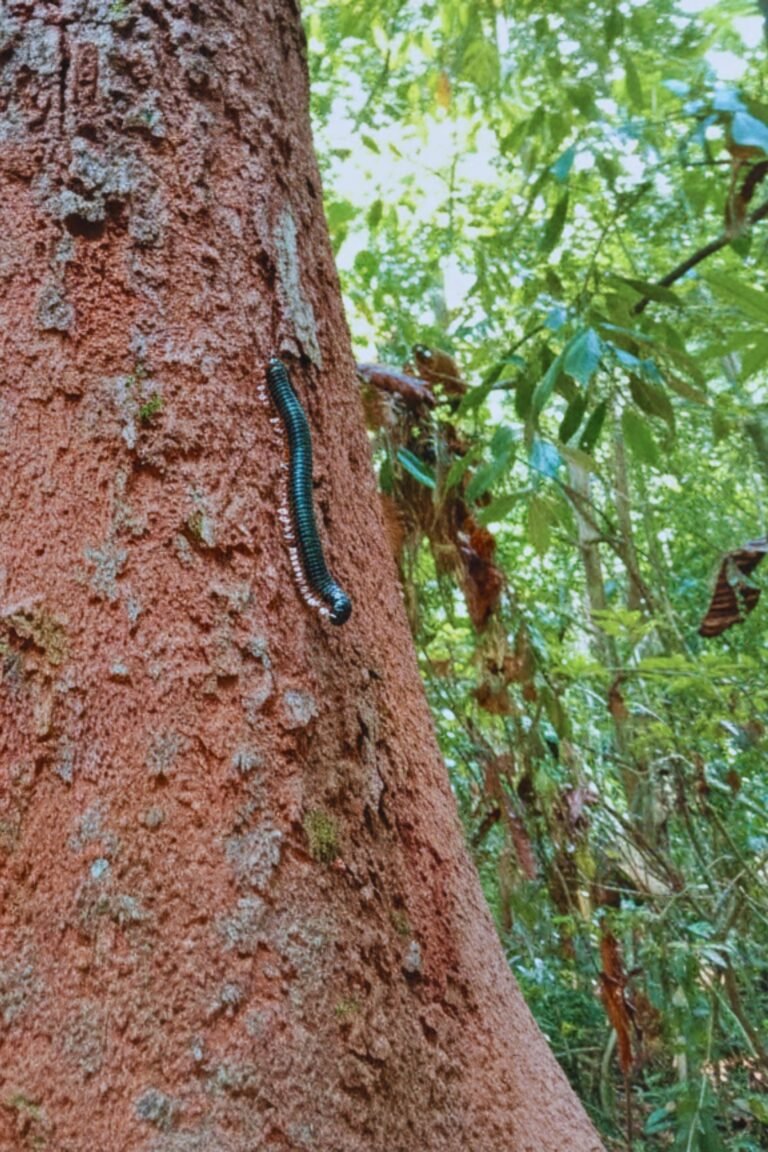
- A UNESCO Biosphere Reserve: Kanneliya Rain Forest is part of the Kanneliya-Dediyagala-Nakiyadenia (KDN) Forest Complex, which was designated a Biosphere Reserve by UNESCO in 2004. It’s the last large remaining rainforest in Sri Lanka besides Sinharaja.
- Rich in Endemic Species: The forest is considered one of the most floristically rich areas in South Asia. A high percentage of its plant and animal species are endemic to Sri Lanka, with 52% of its woody plants being unique to the island.
- Significant Water Catchment Area: The rainforest is a major catchment area for two of the most important rivers in southern Sri Lanka, the Gin and Nilwala Rivers. It also feeds numerous smaller streams and rivers, playing a crucial role in the region’s hydrology.
- Historical and Ecological Resilience: The forest is primarily a secondary forest, as it recovered from extensive logging in the past. Despite this history of deforestation, its biodiversity has remained largely intact, making it a powerful example of ecological resilience.
- Home to Unique Natural Landmarks: Kanneliya is home to several natural wonders, including the ancient Giant Navel Tree, which is estimated to be around 600 years old, as well as picturesque waterfalls like Anagimale Ella and Narangas Ella.