
- Historical Significance of Dedigama Stupa: The stupa was built by King Parakramabahu the Great (1153-1186) as a tribute to his birthplace. It encompasses a smaller stupa, believed to mark the exact spot of his birth, symbolizing its importance as a memorial.
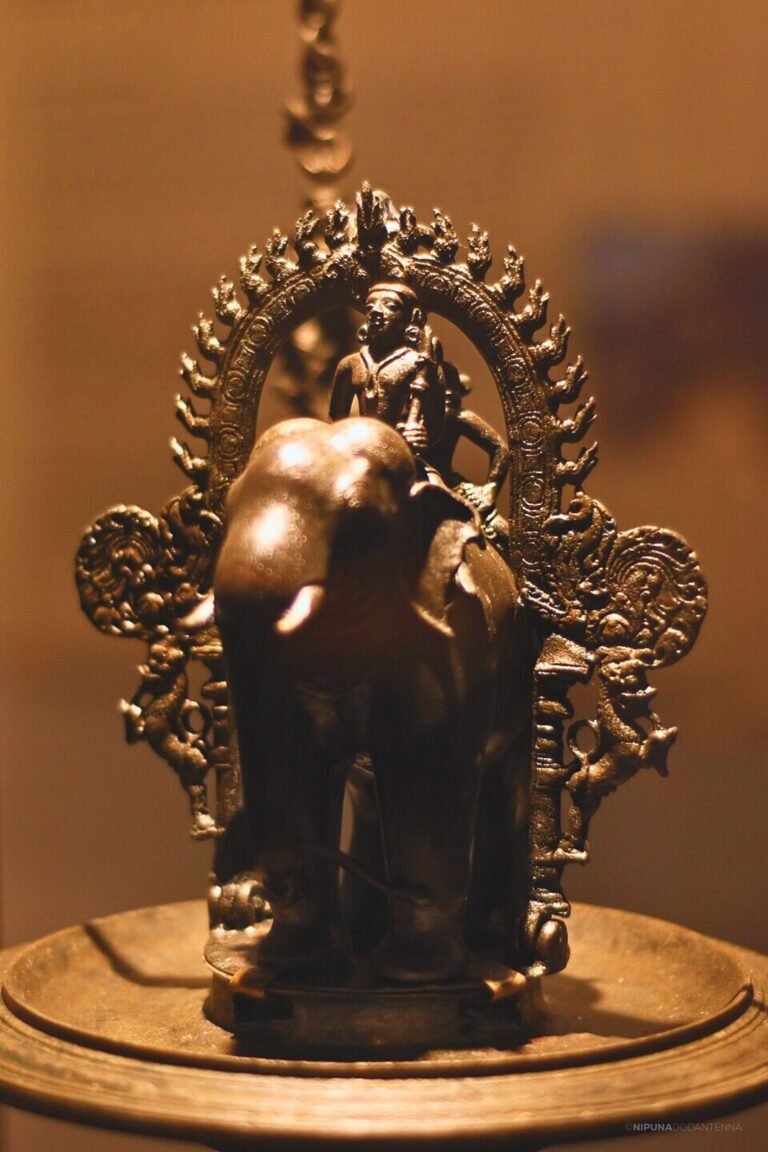
- Ingenious Elephant Lamp: Among the relics discovered in the stupa, the Ingenious Elephant Lamp stands out as a masterpiece of ancient engineering and artistry. Its design highlights the advanced craftsmanship of the Polonnaruwa period.
- Dual Stupa Construction: The site consists of two stupas—a smaller inner stupa (36 feet in diameter) and a larger outer stupa (256 feet in diameter). This unique layered construction emphasizes the sacred nature of the location.
- Discovery of Rare Relics: Excavations revealed ten relic chambers, containing a significant collection of artifacts such as coins, Buddha statues, a massive clay basin (possibly used for the king’s bathing ceremony as a child), and a variety of ancient treasures reflecting Polonnaruwa’s cultural and spiritual heritage.
- Flat-Top Stupa Design: The larger stupa, classified as a Kotavehera, features a distinctive flat-top design without a traditional pinnacle, setting it apart from other stupas in Sri Lanka.