
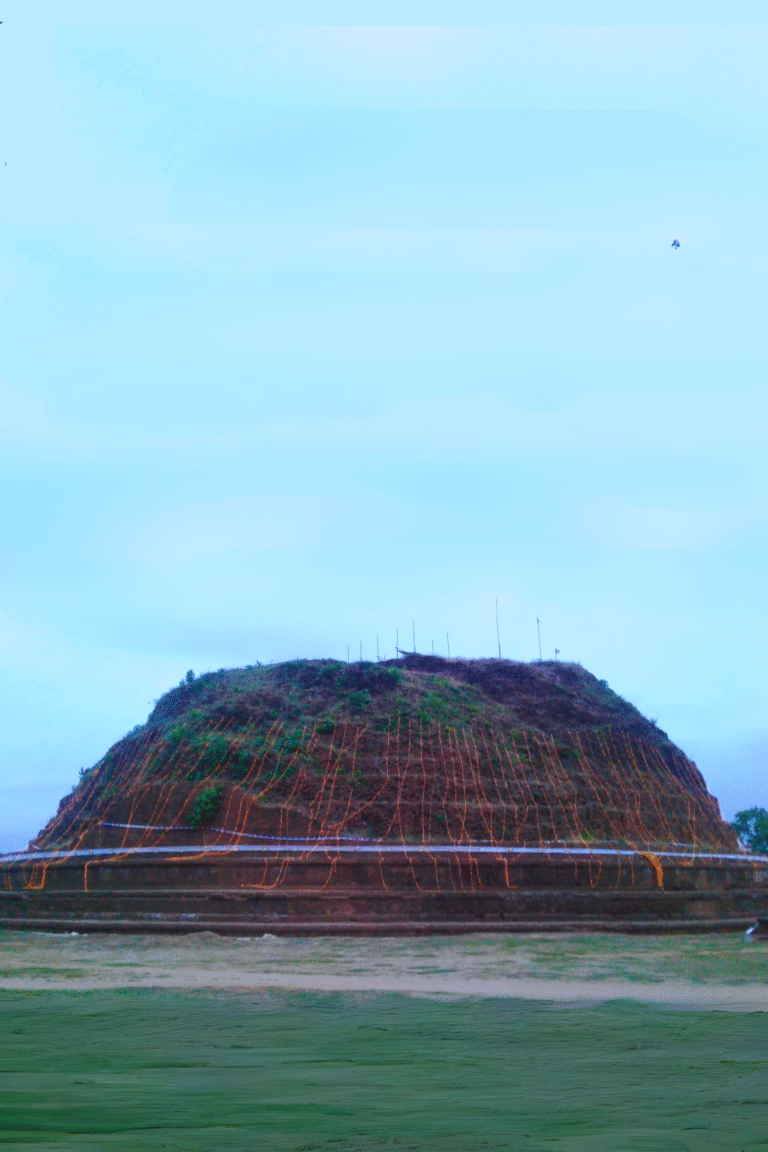
close up of stupa at deegawapi raja maha vihara

Deegawapi Raja Maha Vihara: Explore beautiful and peaceful surroundings.

Deegawapi Raja Maha Vihara: Explore beautiful and peaceful surroundings.

✈️ Why should you visit Sigiriya?

Deegawapi Raja Maha Vihara is a sacred Buddhist site and archaeological landmark in Sri Lanka’s Ampara District, believed to have been visited by the Buddha.
  • Historical Significance: Dighavapiya has a long history, dating back to the 3rd century BC. It is mentioned in ancient texts like the Mahavamsa and Deepavamsa, highlighting its importance in Sri Lanka’s Buddhist and political history.
  • Buddha’s Visit: The site is considered sacred because the Buddha is believed to have visited Dighavapiya during his third visit to Sri Lanka, meditating there with 500 Arhaths.
  • Stupa and Archaeological Ruins: The Dighavapi Stupa, built by King Saddhatissa, is one of the 16 Solosmasthana (sacred sites) blessed by the Buddha’s presence. Excavations have revealed important structures like ancient hospitals and relic houses.
  • Multicultural Influence: Over time, the area saw settlers from different backgrounds, including Muslims and Dutch descendants, reflecting a diverse historical influence.
  • Modern Challenges: Dighavapiya has faced neglect and damage due to conflicts, including attacks by the LTTE and encroachment by local settlers, putting its historical and religious heritage at risk.
Entity

Government

Entrance

Free

Wheelchair Access

No

Water

Available

Restaurants

Not Available

Toilets

Available

District: Ampara

Reach

Any vehicle

Road Quality

Good

Public Transport

Not available

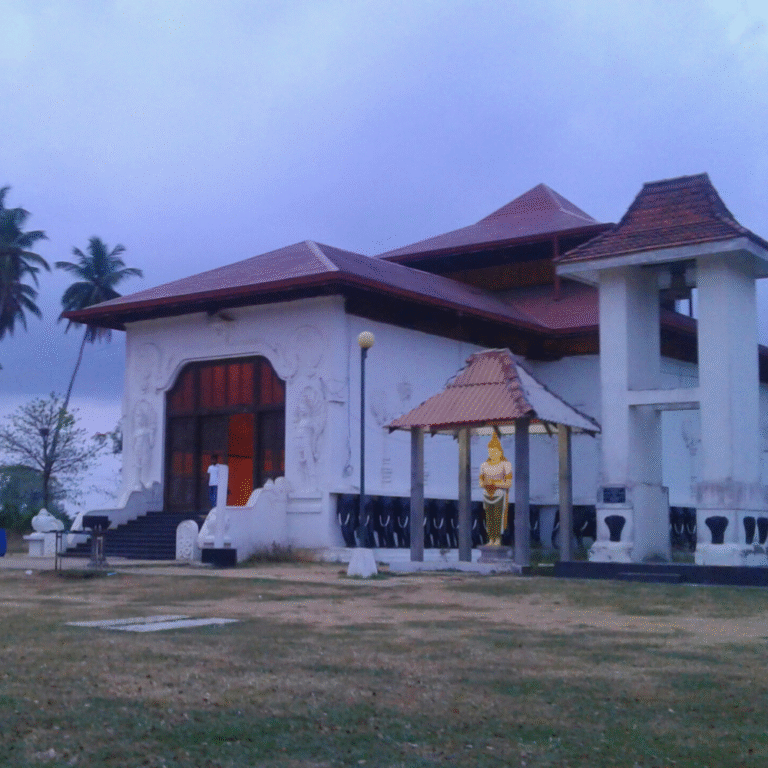
peaceful surroundings of deegawapi raja maha vihara
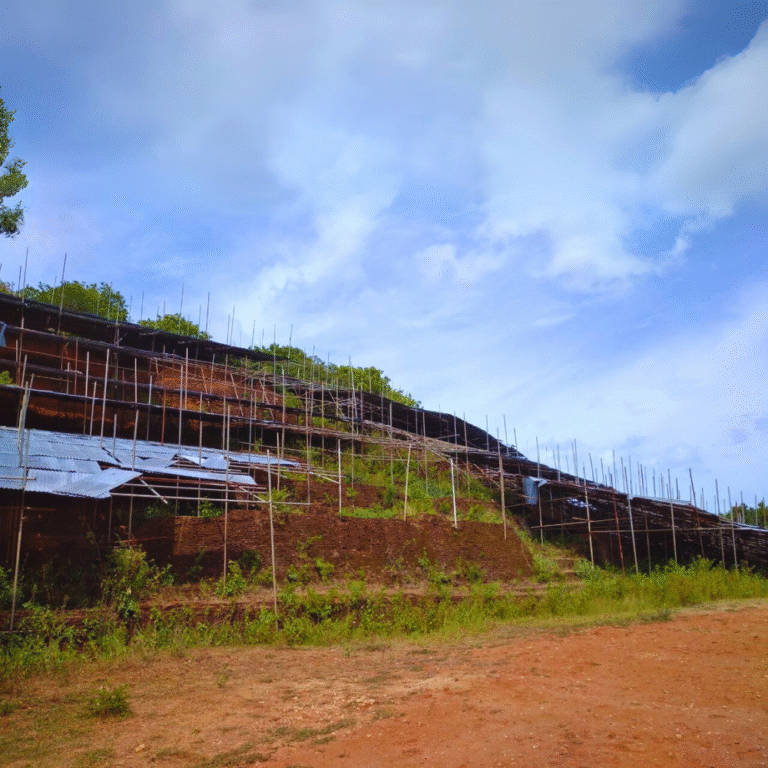
ancient buddhist stupa at deegawapi sacred site

Guidelines

Photography Etiquette : Always ask permission before taking photos. Do not pose with your back to Buddha statues or sacred relics. Pause for Reflection : Take a quiet moment to sit under a Bo tree or near the stupa. It’s not only sightseeing — it’s a chance for personal peace and reflection. Dress in White if Possible : Many devotees wear white to symbolize purity and peace. Tourists too are welcome to follow this tradition to blend with the spiritual atmosphere.