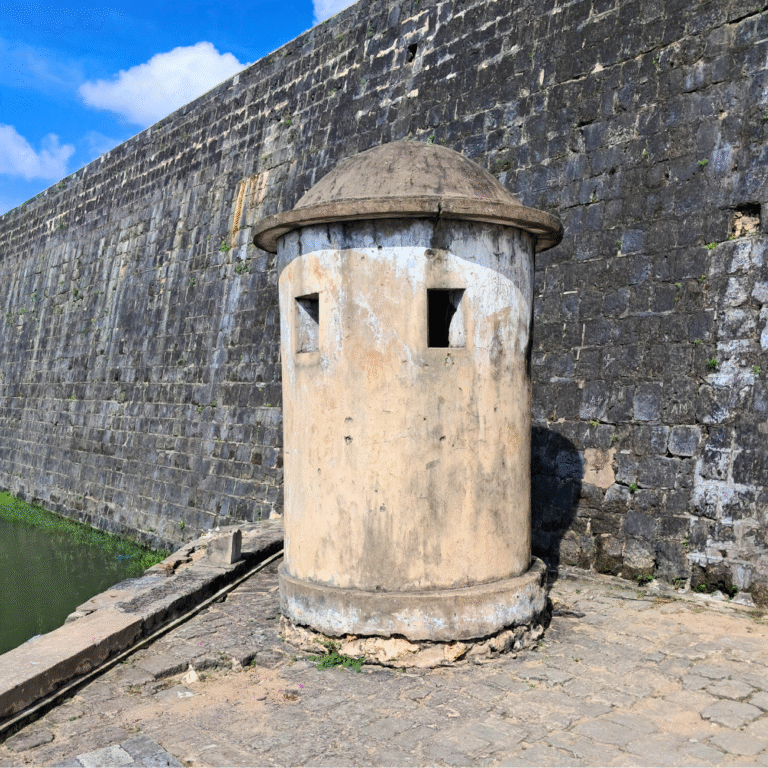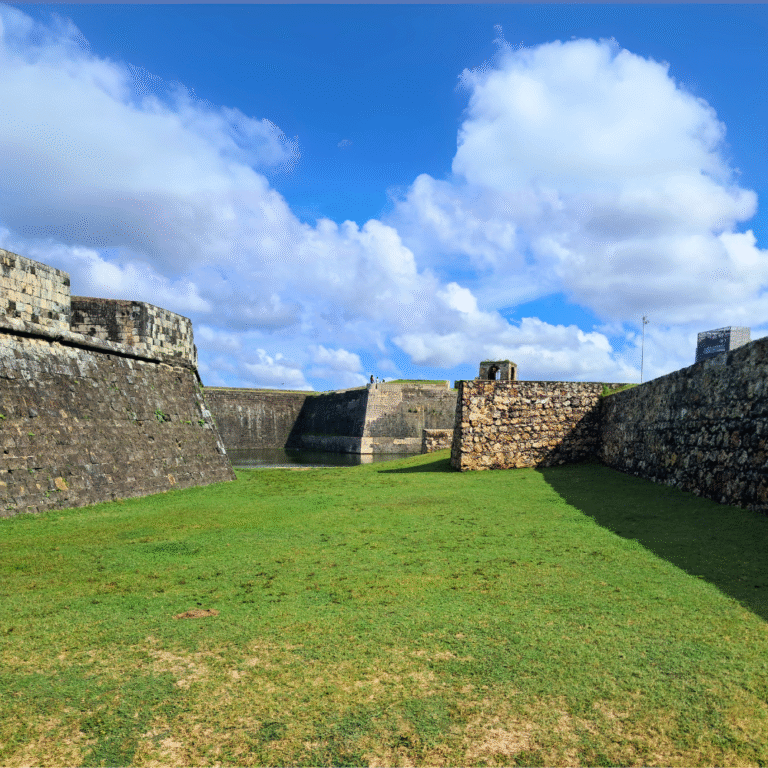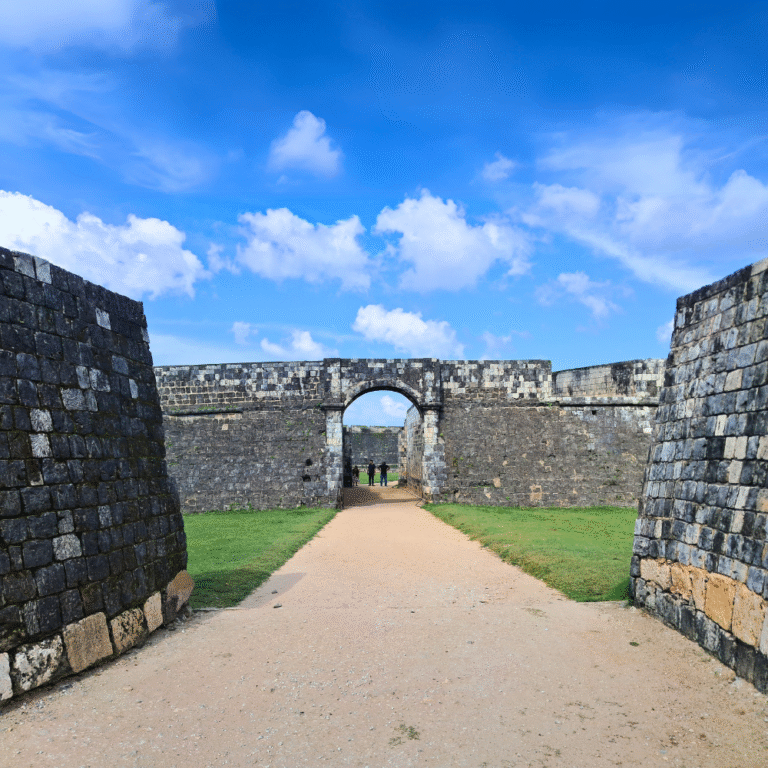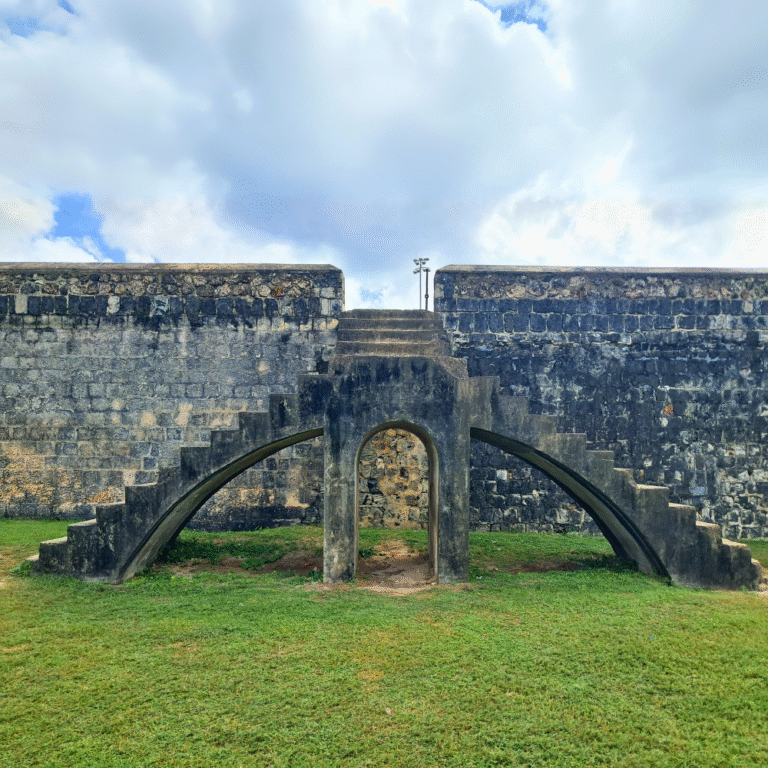
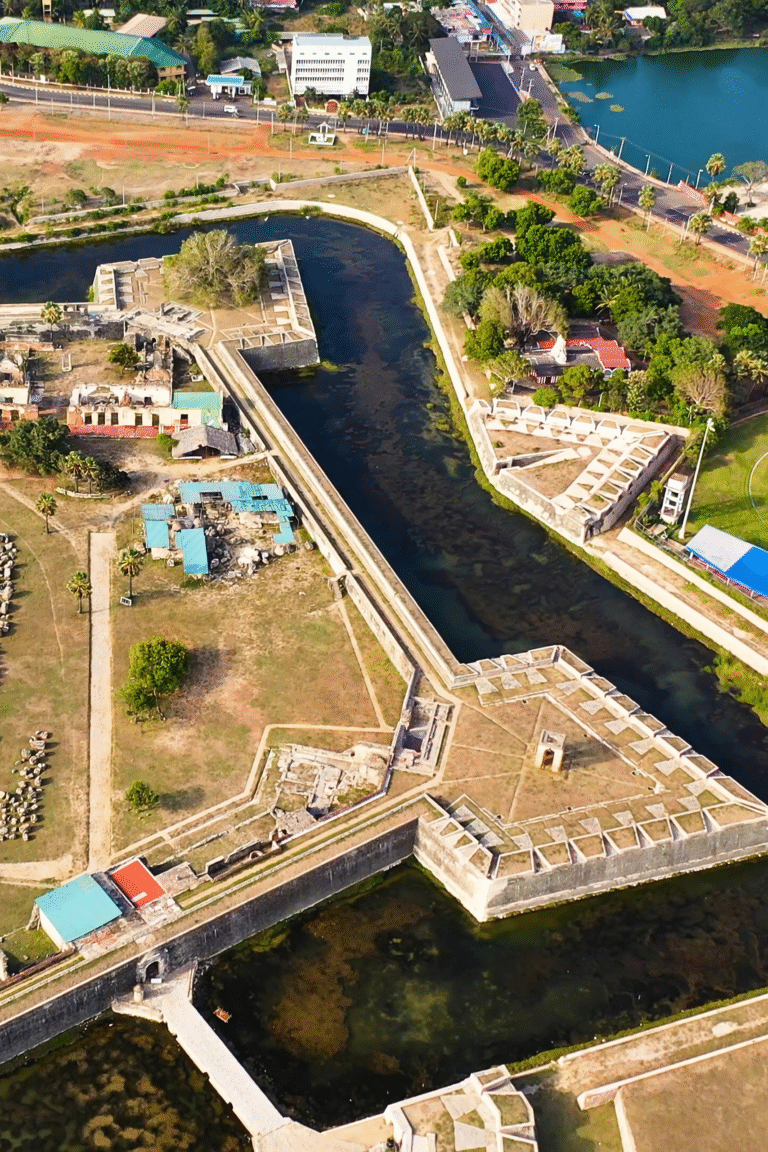
- Historical Layers of European Powers: The fort showcases architectural and historical influences from three European colonial powers – the Portuguese, the Dutch, and the British – evident in its evolving design and structures.
- Geometrically Unique Dutch Fortification: Expanded by the Dutch, the fort features a distinctive pentagonal inner layout with star-shaped outer defenses, considered a technically perfect and complete example of military architecture from that era in Asia.
- Significant Role in Sri Lankan Military History: As one of the key military forts in the country (with primarily government and military buildings within its walls), it played a crucial role during the Sri Lankan Civil War (including sieges and battles) and remains garrisoned by a detachment of the Sri Lanka Army today, with limited access to visitors.
- Site of Historical Religious Significance: Originally named after a nearby church and attributed to miracles of the Virgin Mary, the fort holds historical religious importance alongside its military function.
- Panoramic Views of the Jaffna Lagoon: Situated at the water’s edge of the Jaffna lagoon, the fort offers strategic and scenic views of the surrounding coastal landscape.