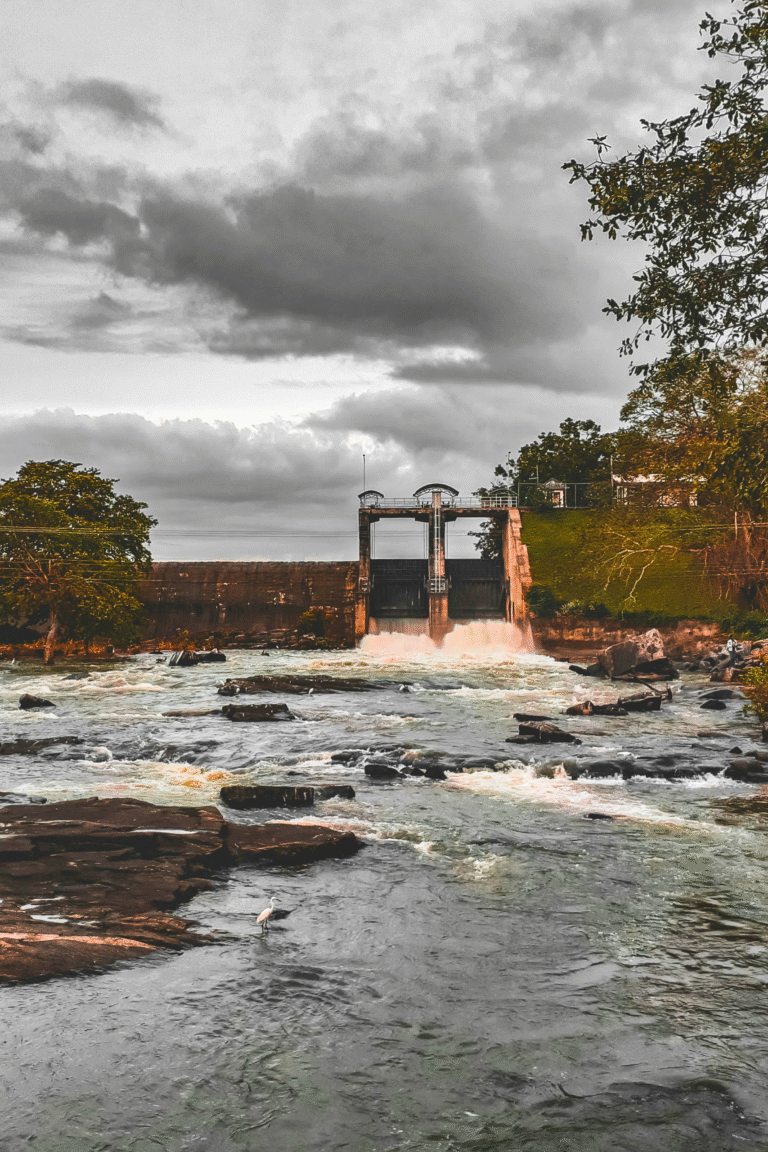
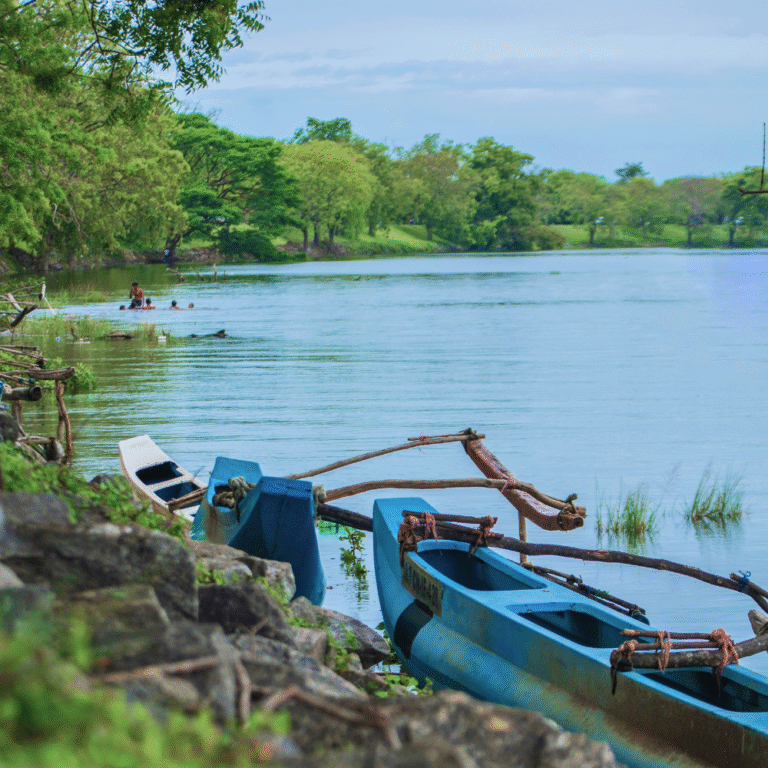
historic dam at Kala Wewa reservoir

Kala Wewa – A beautiful and biggest lake in dry zone

Kala Wewa – A beautiful and biggest lake in dry zone

✈️ Why should you visit Sigiriya?

Kala Wewa is a masterpiece of ancient Sri Lankan hydraulic engineering, known for its scenic beauty and historical significance as one of the country’s largest and oldest man-made reservoirs.
  • Ancient Engineering Marvel: The Kala Wewa was built by King Dhatusena in the 5th century AD. The tank and its associated 87 km long Jaya Ganga canal show advanced ancient engineering skills.
  • Link to a Historic Canal: It is the starting point of the Jaya Ganga (Giant’s Canal). This canal supplies water to the ancient capital of Anuradhapura.
  • Ecological and Agricultural Importance: The reservoir is a vital water source for agriculture in the North Central Province. It also supports a diverse range of flora and fauna, including elephants.
  • Historical and Mythological Links: There is a tale of a boy named Kaala associated with its construction. His story adds a unique mythological layer to the reservoir’s history.
  • Proximity to the Avukana Buddha Statue: The famous Avukana Buddha Statue is located near the tank. This connection enhances the site’s cultural and religious value.

Entity

Government

Entrance

Free

Wheelchair Access

No

Water

Available

Restaurants

Available

Toilets

Available

District: Anuradhapura

Reach

Any vehicle

Road Quality

Good

Public Transport

Available

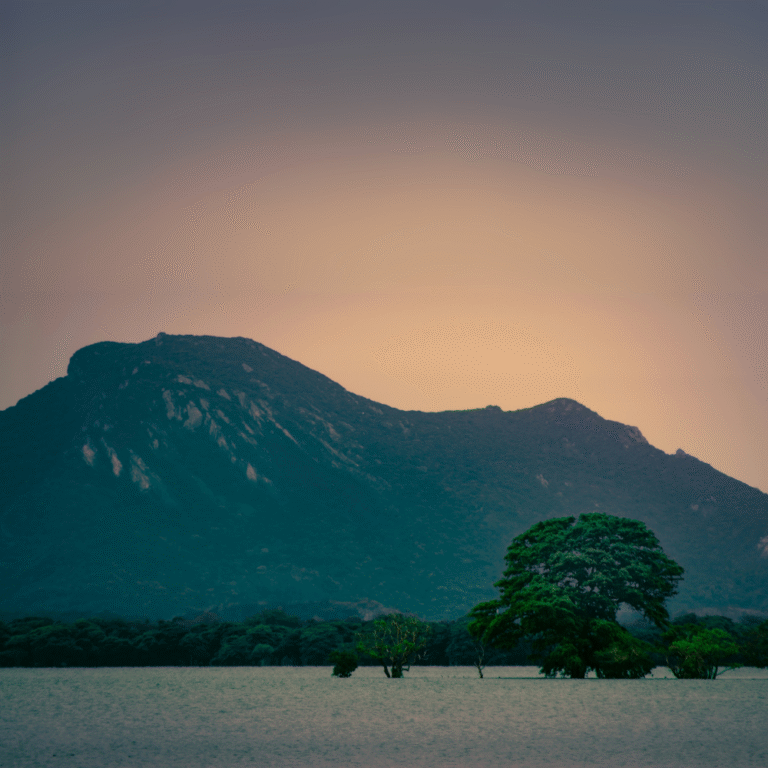
panoramic view of Kala Wewa lake in Sri Lanka
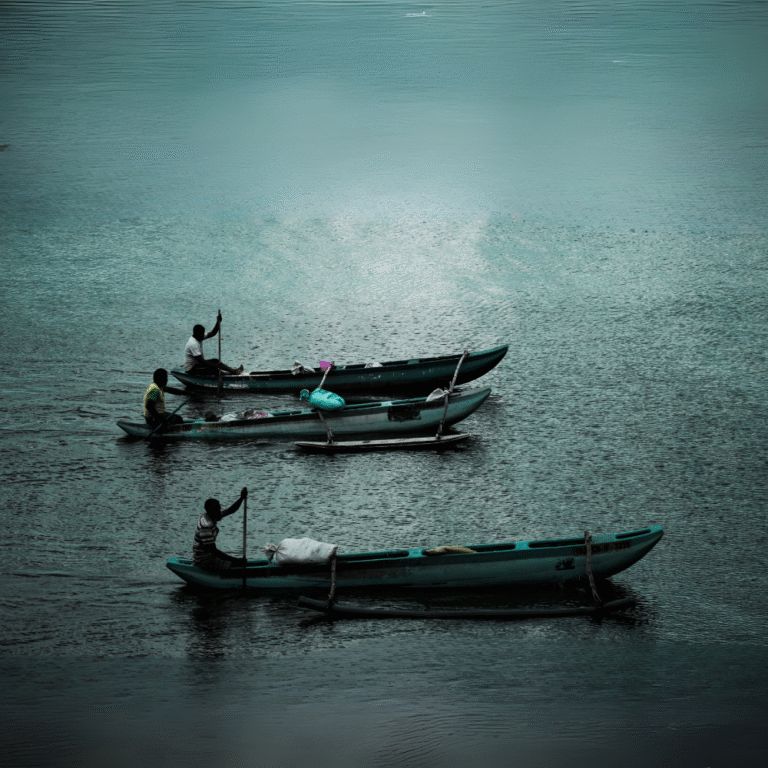
tourists enjoying boat rides at Kala Wewa
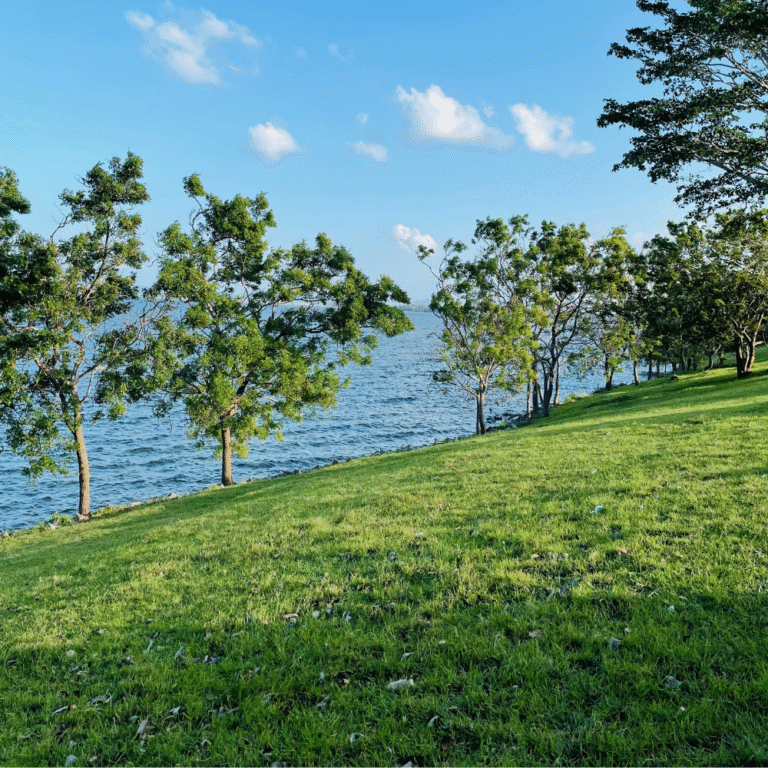
lush greenery surrounding Kala Wewa lake
Kala Wewa as a popular Sri Lanka tourist destination

Guidelines

Best Visiting Time : Visit during morning or late afternoon for pleasant weather and ideal scenery. Avoid peak heat hours for comfort and safety. Safety Near Water : Kala Wewa is a large reservoir. Avoid swimming or wading as there are strong currents and deep areas. Supervise children at all times. Boat & Activity Rules : Only use authorized boats for recreational activities. Do not attempt to operate boats alone without permission. Respect Wildlife & Nature : The area is home to birds, fish, and other wildlife. Do not feed animals, litter, or disturb the habitat.