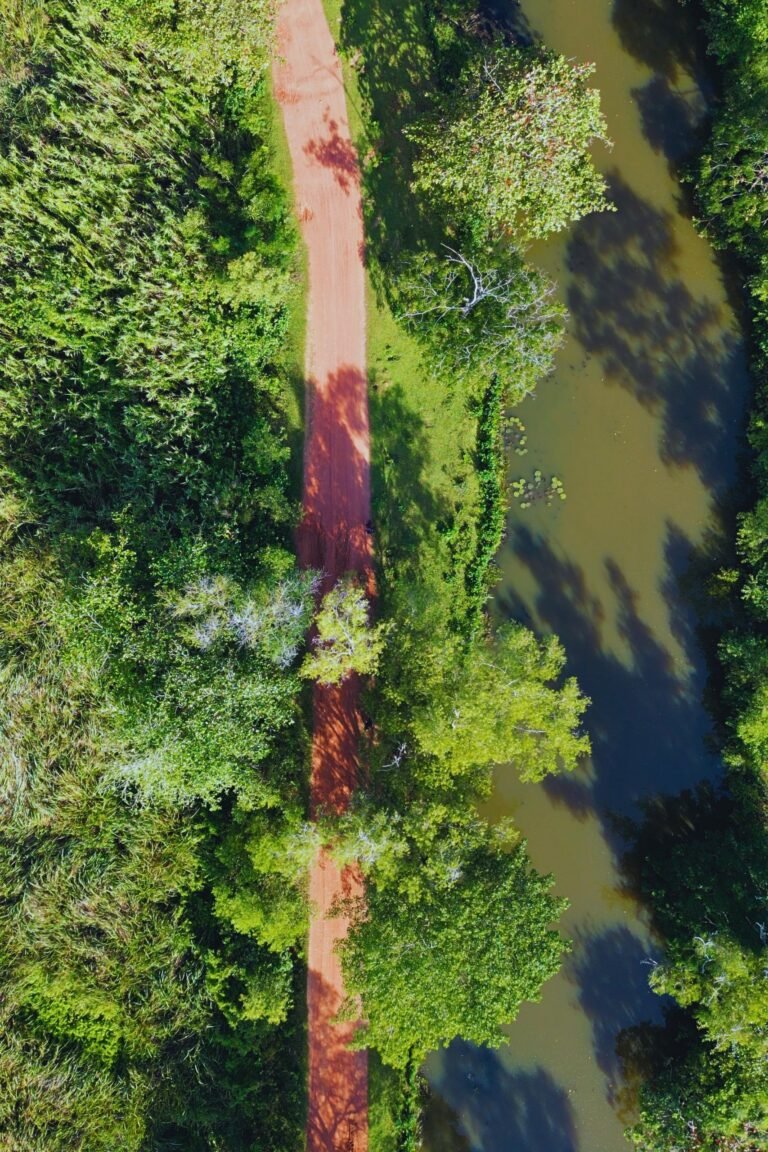
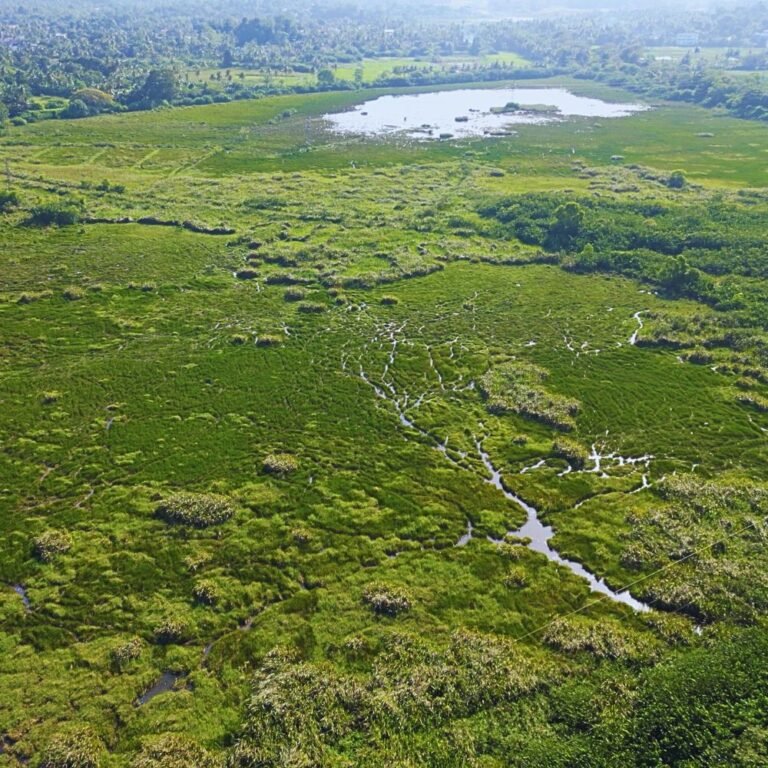
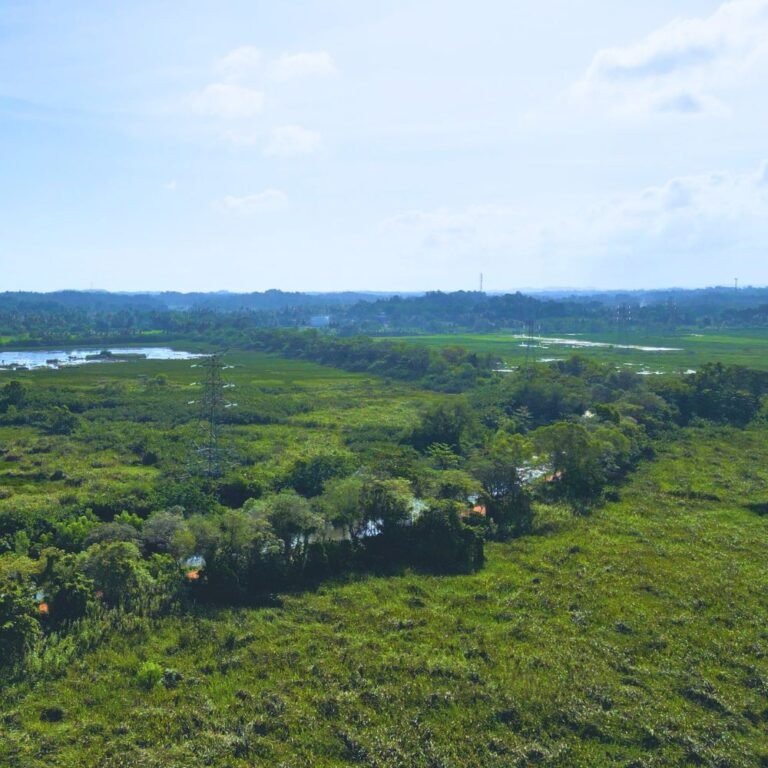
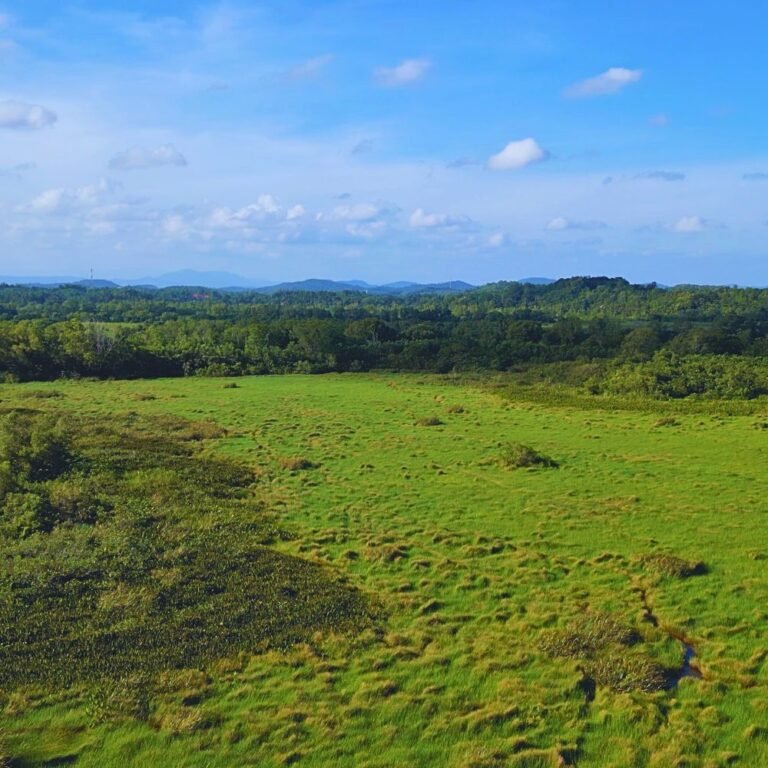
Natural wetland landscape of Kirala Kale Matara

Kirala Kele Sanctuary – A green sanctuary with beautiful trails

Kirala Kele Sanctuary – A green sanctuary with beautiful trails

✈️ Why should you visit Sigiriya?

Kirala Kele Sanctuary is a vital coastal marshland and mangrove forest near Matara that serves as a key birdwatching haven for both resident and rare migratory species.
  • Prime Wetland for Birdwatching: The sanctuary is a lush wetland paradise near Matara. It is home to 103 bird species, making it a prime destination for bird enthusiasts.
  • Key Habitat for Biodiversity: Kirala Kele is a key habitat for wetland biodiversity in the country. It is home to many flora, mammal, and freshwater fish species.
  • Endemic Green Faced Leaf Monkey: The sanctuary is a key location to see the Green-faced leaf monkey. This monkey species is endemic to Sri Lanka.
  • Mangrove and Marshland Ecosystem: It is an area covered with mangrove forests and marshlands, located along the Nilwala River basin. This unique ecosystem supports diverse flora and fauna.
  • Community-Supported Wetland: The wetland supports people living nearby. These communities use the area for fishing, cattle raising, and crop cultivation.

Entity

Government

Entrance

Paid

Wheelchair Access

No

Water

Available

Restaurants

Available

Toilets

Available

District: Matara

Reach

Any vehicle

Road Quality

Good

Public Transport

Available

Bird watching area inside Kirala Kale sanctuary Sri Lanka
Kirala Kale wetland sanctuary in Matara Sri Lanka
Mangrove ecosystem at Kirala Kale wetland park
Lush greenery and wetlands at Kirala Kale nature reserve

Guidelines

Respect Wildlife: Do not feed, touch, or disturb any animals. Keep a safe distance from all wildlife to avoid accidents and protect their natural behavior. Stay on Designated Paths: Stick to marked trails to prevent damaging delicate flora and avoid getting lost in the forest. Carry Minimum Plastic: Avoid bringing plastic bottles or wrappers. Take back all trash to preserve the sanctuary’s natural environment. Maintain a Silent Environment: Keep noise to a minimum—avoid loud talking or music—so you don’t scare away animals and can maintain the peaceful environment.