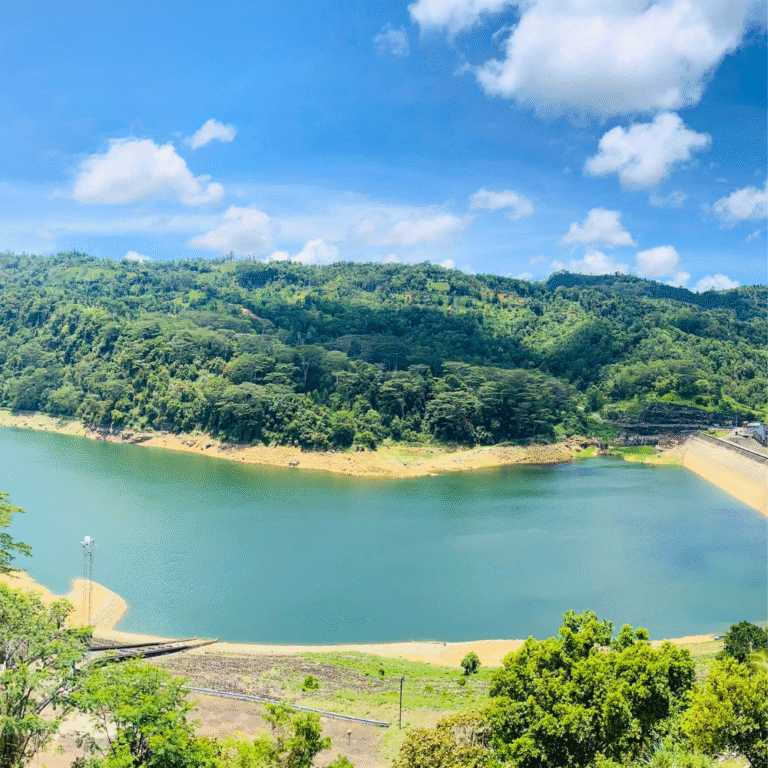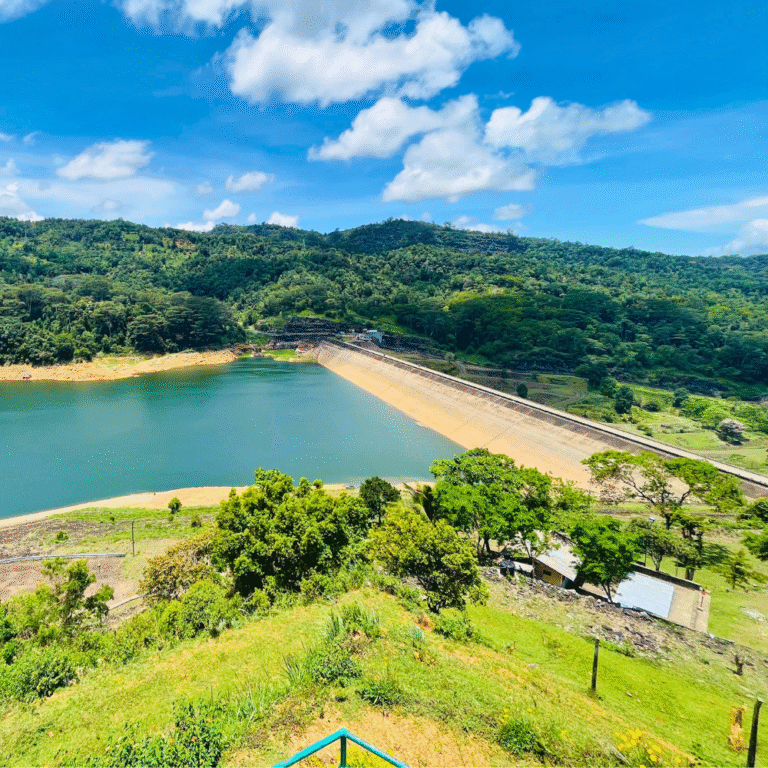
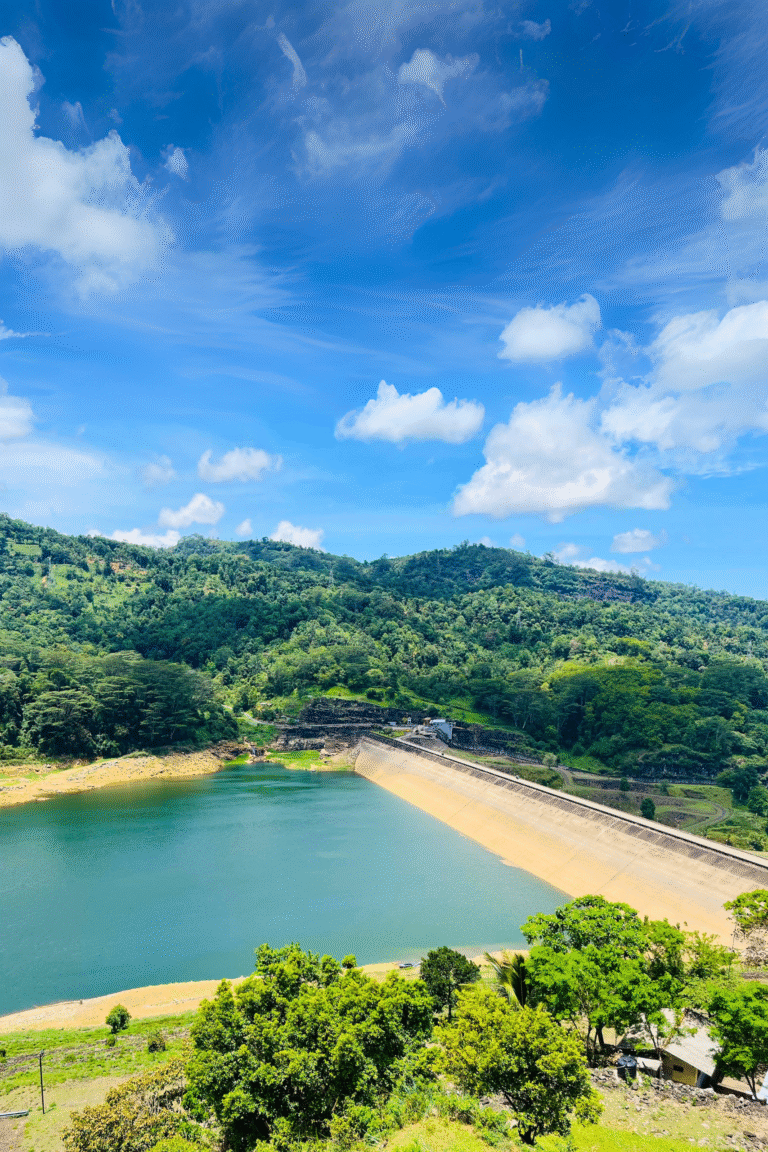
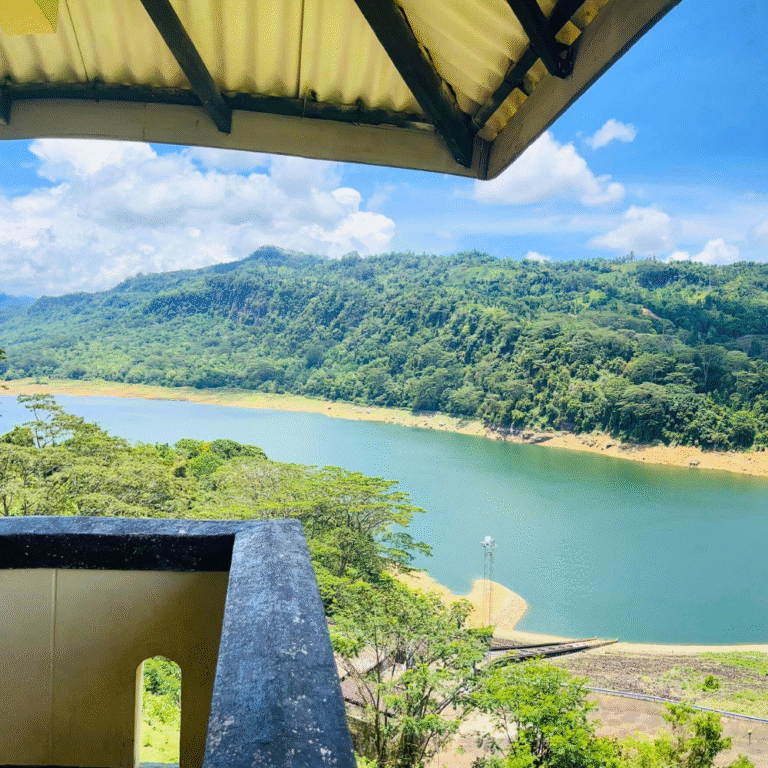
Popular sightseeing spot at Kothmale Dam

Kothmale Dam – Discovering the Beautiful Engineering Feat and Scenic Surroundings

Kothmale Dam – Discovering the Beautiful Engineering Feat and Scenic Surroundings

✈️ Why should you visit Sigiriya?

The Kotmale Dam is a significant hydroelectric and irrigation dam in Sri Lanka, offering a scenic destination with a large reservoir and a museum detailing its history.
  • Rock-filled Dam: Kotmale Dam is a rock-filled dam. This type of construction makes it a notable engineering feat. The dam is built across the Kotmale Oya.
  • Underground Power Station: The dam has an underground power station. It is located inside Atabage Mountain. This makes it Sri Lanka’s first underground power station.
  • Sweden’s Financial Aid: The project received financial aid from the country of Sweden. This international partnership helped build the dam. The dam was a sub-project of the Mahaweli Development Project.
  • Submerged Villages and Temples: The dam’s construction displaced about 3,000 people. It also submerged many ancient temples in the reservoir. A new pagoda, Mahaweli Maha Seya, was built in memory of these temples.
  • Second Largest Hydropower Station: Kotmale Dam is the second-largest hydropower station in Sri Lanka. It has an installed capacity of 201 MW. It plays a vital role in providing electricity to the country.
Entity

Government

Entrance

Free

Wheelchair Access

Yes

Water

Available

Restaurants

Available

Toilets

Available

District: Nuwara Eliya

Reach

Any vehicle

Road Quality

Good

Public Transport

Available

Panoramic landscape of Kothmale Dam reservoir
Scenic view of Kothmale Dam in Sri Lanka
Kothmale Dam tourist attraction in Nuwara Eliya district
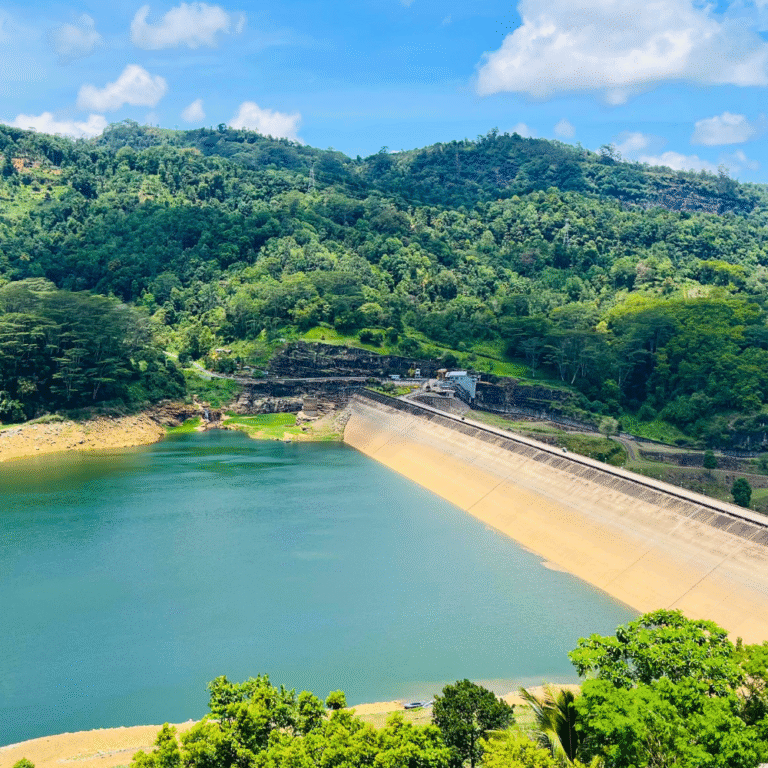
Beautiful lake created by Kothmale Dam in Sri Lanka

Guidelines

Respect Restricted Areas : Certain areas of the dam are off-limits for security and safety reasons. Follow signboards and guide instructions. Best Visiting Time : Visit during daytime (morning to afternoon) for clear views. Avoid visiting during heavy rain or floods. Safety Near Water : Avoid swimming or getting too close to the dam’s spillways. Strong currents can be dangerous.