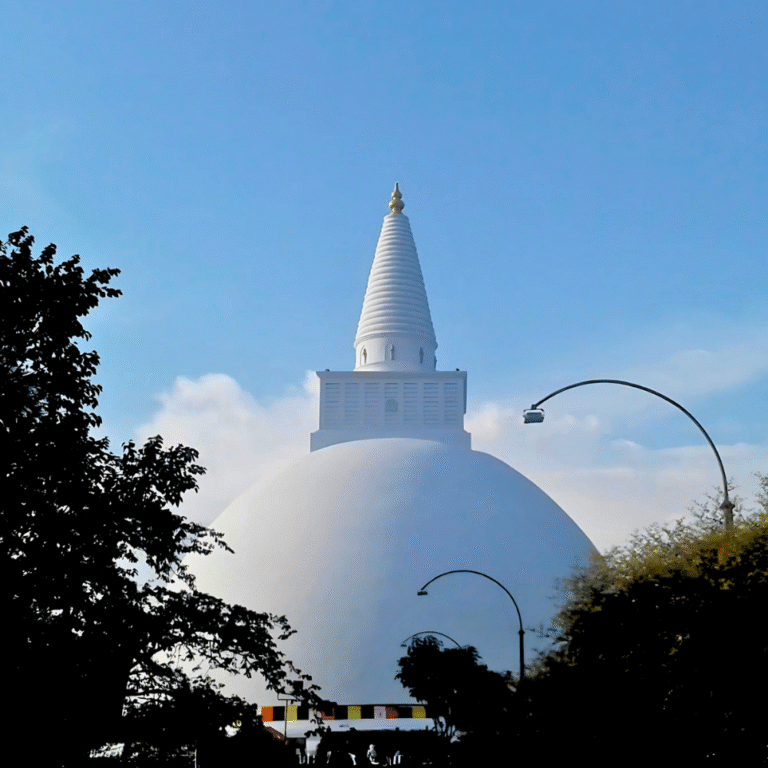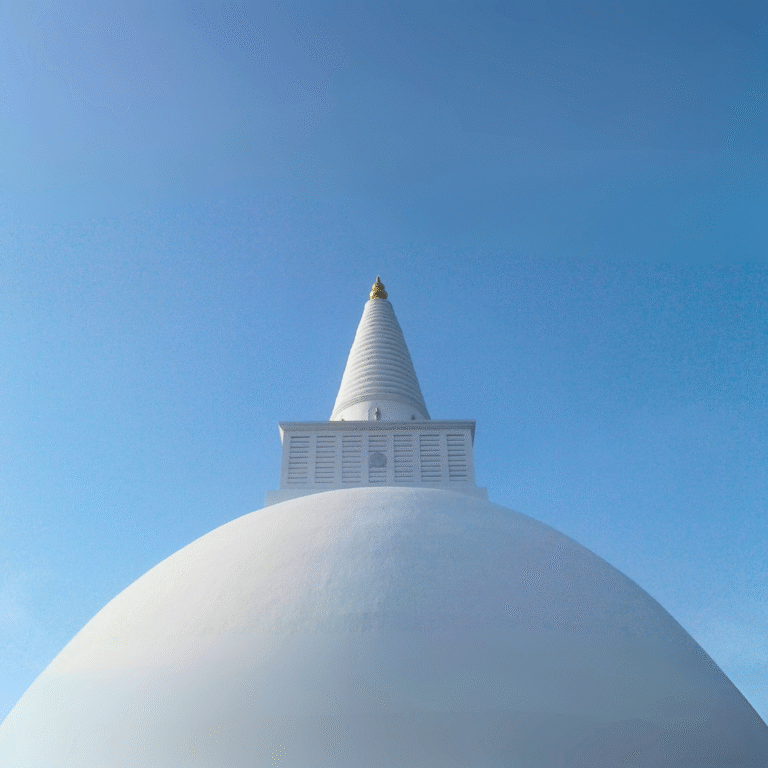
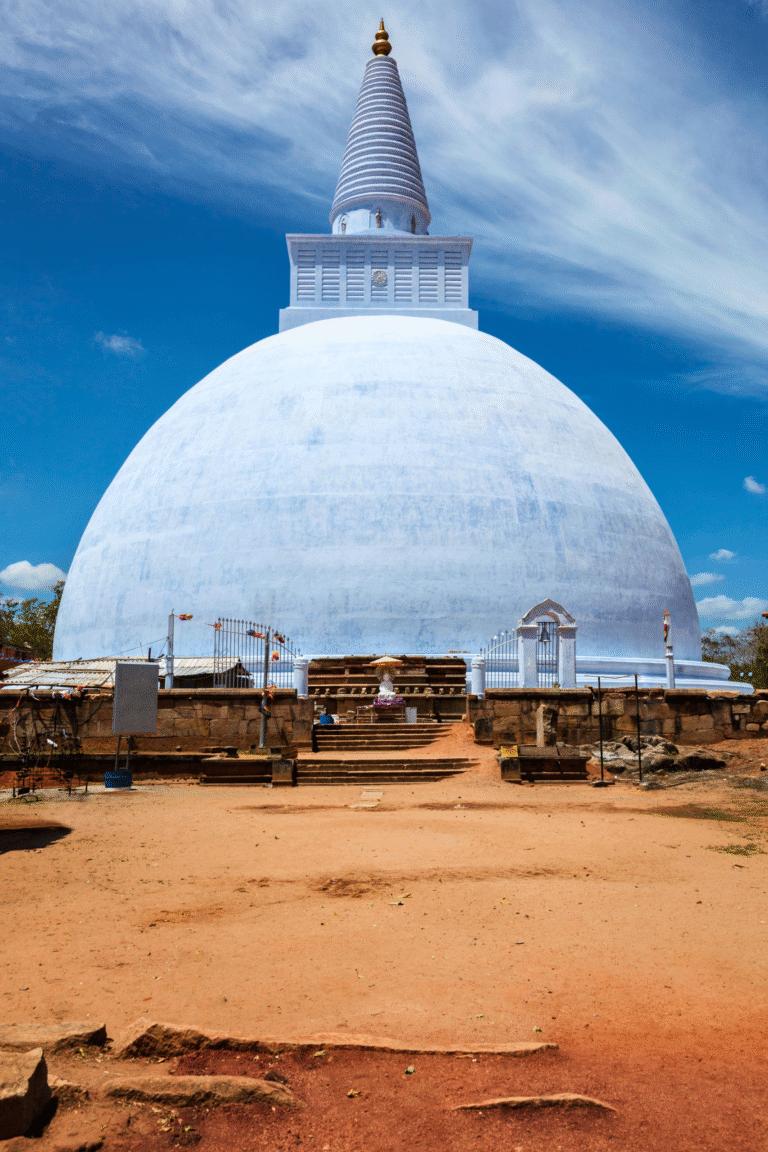
- Royal Apology and Legend: The name “Mirisawetiya” is linked to a legend of King Dutugemunu. He built the stupa as an apology for eating a chili curry without offering it to the monks first.
- Historic and Religious Symbolism: The stupa was built on the spot where King Dutugemunu’s scepter was planted and could not be moved. This scepter reportedly contained a sacred Buddha relic.
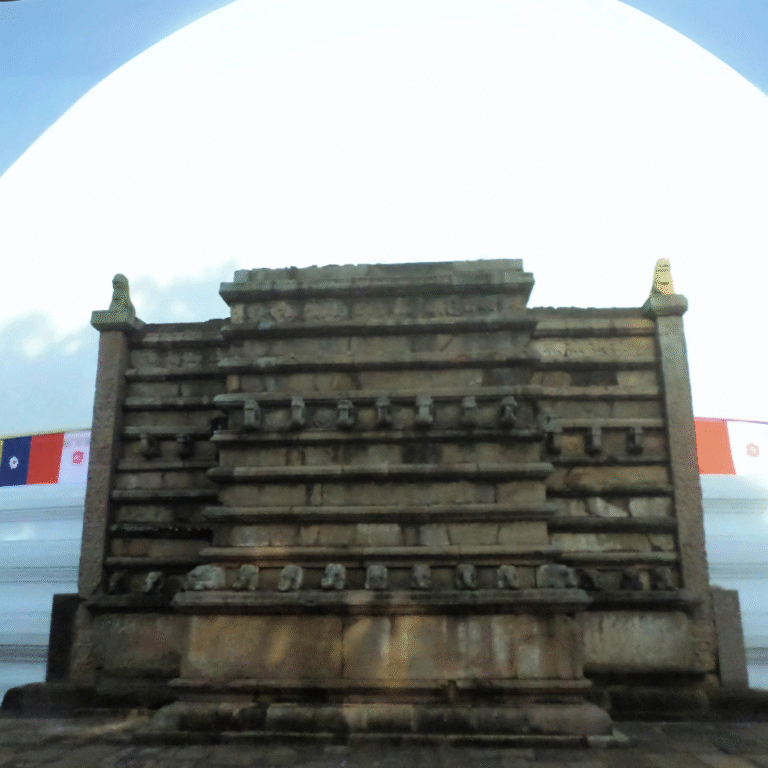
- Architectural Frontispieces: The stupa’s frontispieces, or Vahalkadas, were noted for their unparallel artistic value. They were a key feature that attracted early excavations.
- A Testament to Ancient Renovation: Over the centuries, the stupa was renovated many times by various kings. This shows its long history and importance.
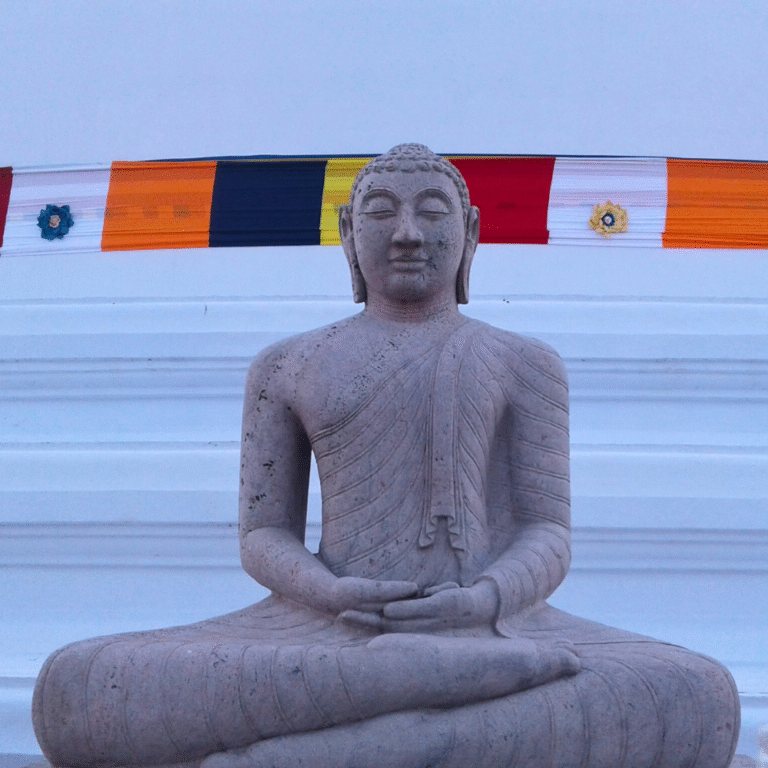
- A Site of Pilgrimage and Historical Rediscovery: After centuries of being in ruins, the stupa was rediscovered and excavated in the 19th century. Today, it remains a vital site for Buddhist pilgrims and historians.