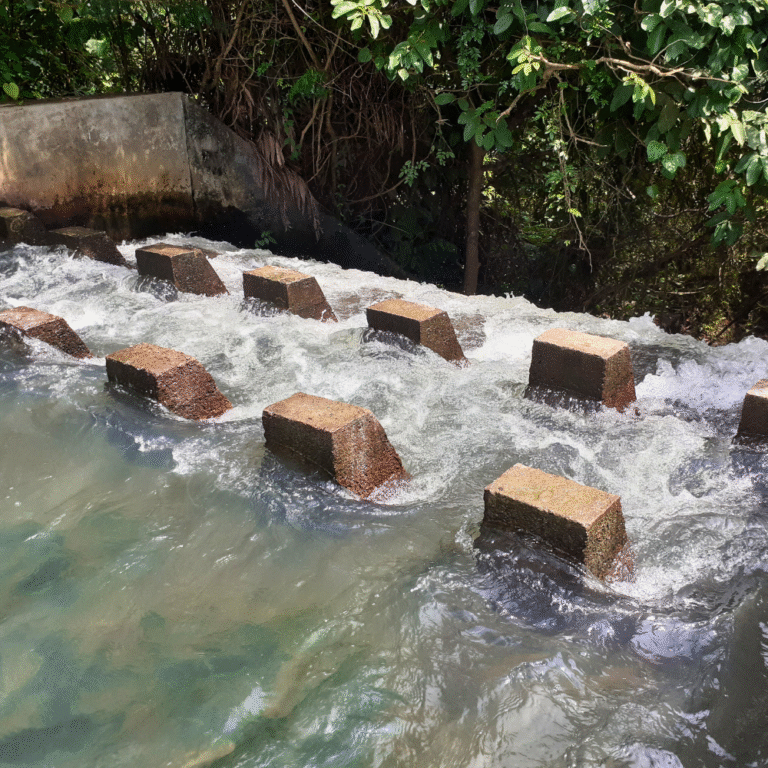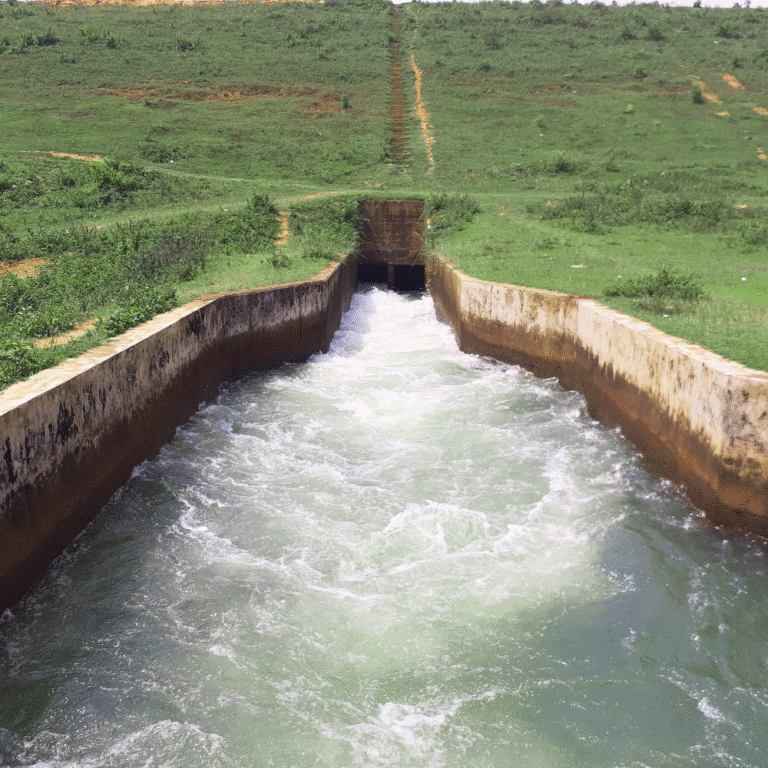
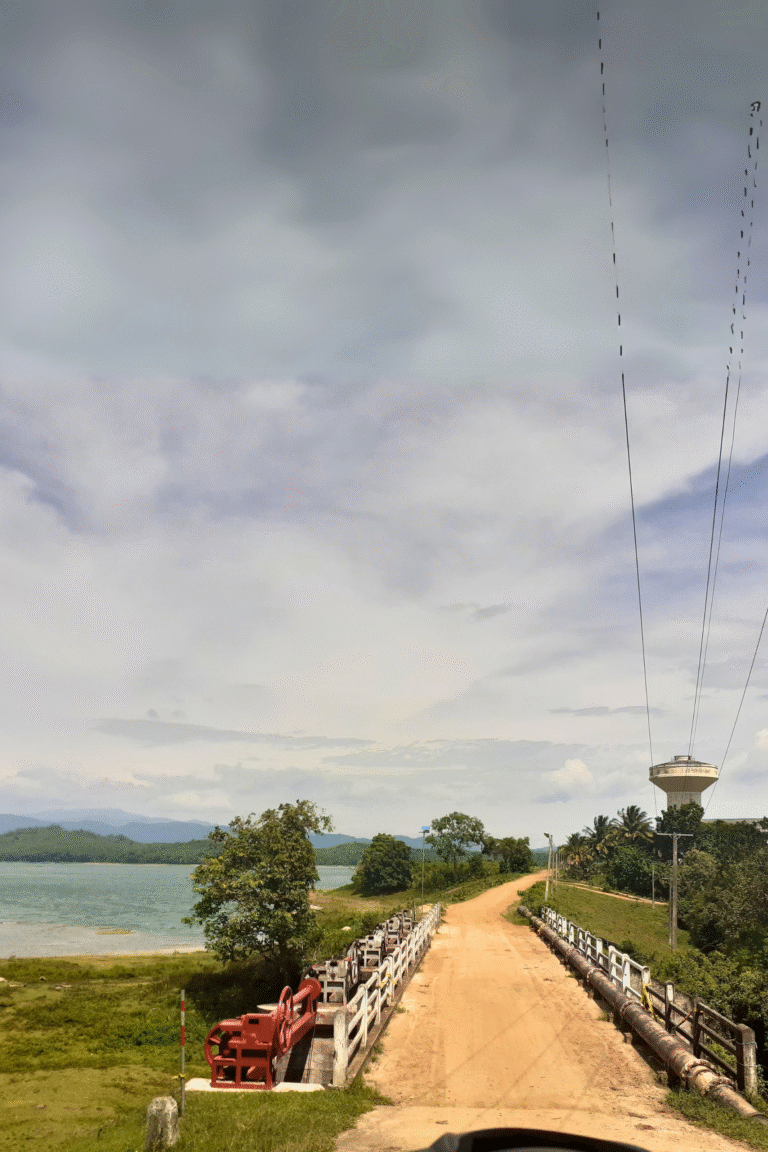
Sunset over the calm Muruthawela Reservoir in Sri Lanka

Muruthawela Reservoir – Beautiful Hidden Charms in Sri Lanka’s Nature Paradise

Muruthawela Reservoir – Beautiful Hidden Charms in Sri Lanka’s Nature Paradise

✈️ Why should you visit Sigiriya?

Muruthawela Reservoir is a beautiful and serene destination in Sri Lanka, ideal for nature lovers seeking relaxation and picturesque views.
  • Scenic Natural Beauty: Muruthawela Reservoir is renowned for its picturesque, unpolluted natural surroundings, making it an ideal spot for relaxation and sightseeing.
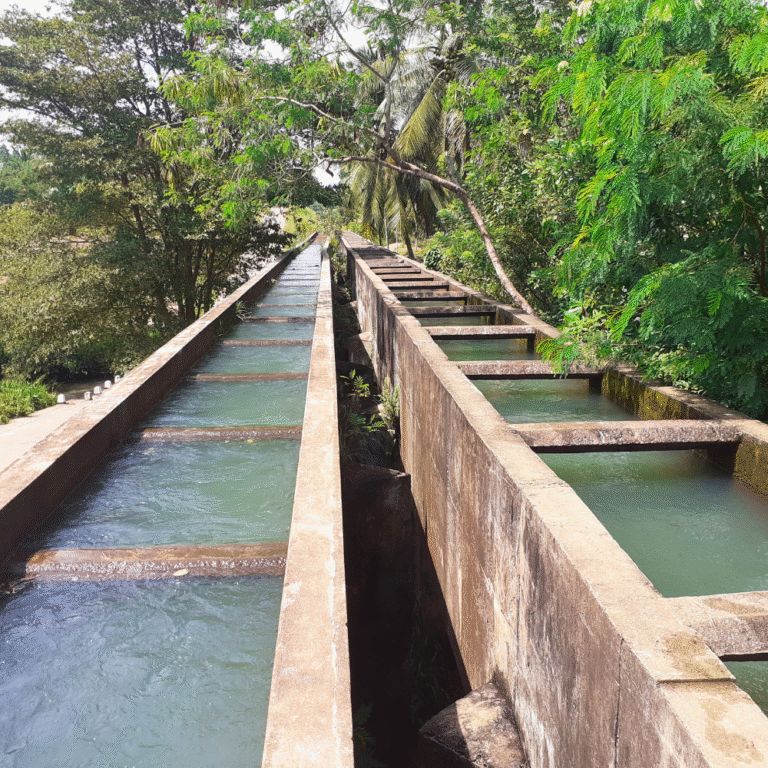
  • Muruthawela Ginipetti Palama: The reservoir features the unique and photogenic Muruthawela Ginipetti Palama (bridge), which offers stunning views of the surrounding landscape.
  • Historical Modern Engineering: Built in 1968–1971 by damming the Urubokka Oya, it represents Sri Lanka’s mid-20th-century irrigation advancements under the Muruthawela scheme.
  • Crucial Irrigation System: Muruthawela Reservoir is a vital component of a larger irrigation scheme in the Southern Province, essential for agriculture and sustaining the local ecosystem.
  • Popular Recreational Spot: The reservoir offers a peaceful atmosphere for walking, birdwatching, and enjoying the natural beauty, but swimming is not recommended (as an irrigation and potential drinking water source).
Entity

Government

Entrance

Free

Wheelchair Access

No

Water

Available

Restaurants

Not Available

Toilets

Not Available

District: Hambantota

Reach

Any Vehicle + Foot

Road Quality

Good

Public Transport

Available

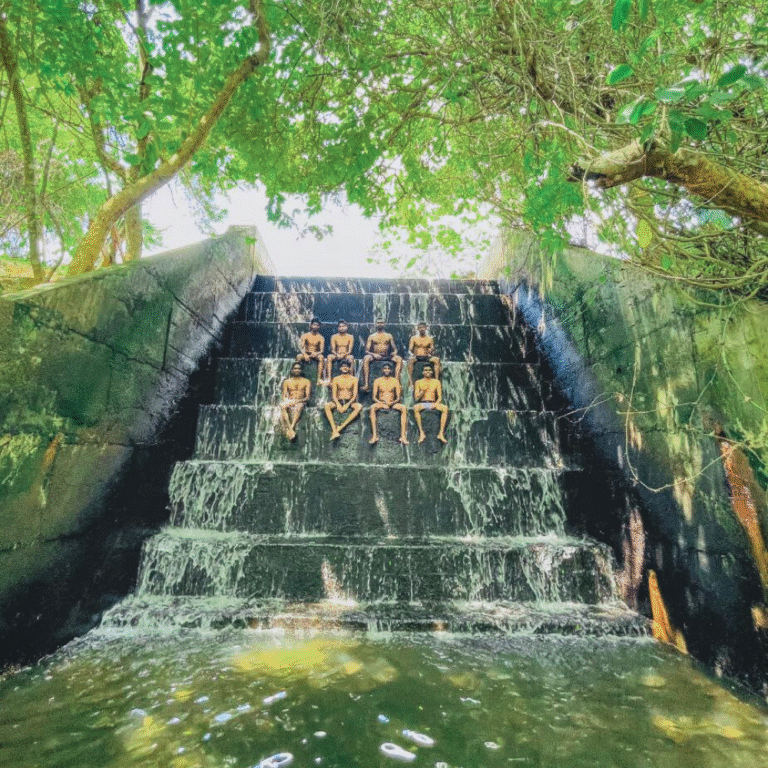
Tourists enjoying the peaceful Muruthawela Reservoir attraction
Muruthawela Reservoir – an ideal nature retreat for travelers
Uncrowded tourist destination – Muruthawela Reservoir Sri Lanka

Guidelines

Safety Around Water: Do not swim or enter the reservoir without proper guidance. The water can be deep, with unpredictable currents, and there may be no lifeguards present. Avoid Bathing or Washing in the Reservoir: This is a drinking water and irrigation source. Do not use soap, shampoo, or wash clothes in the reservoir—it can contaminate the water and harm the ecosystem.