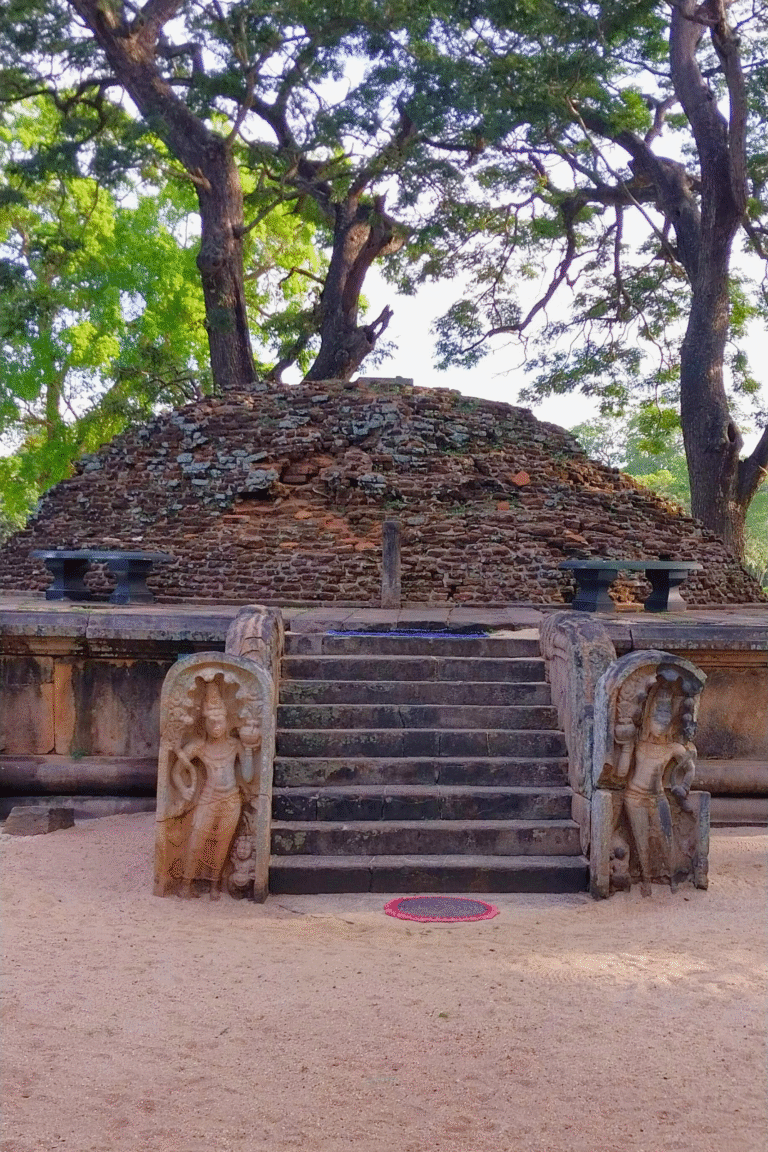
- Association with Kujjatissa: The stupa is linked to the monk Kujjatissa, known for his psychic powers and miraculous deeds, making it an important pilgrimage site for those interested in his life and legacy.
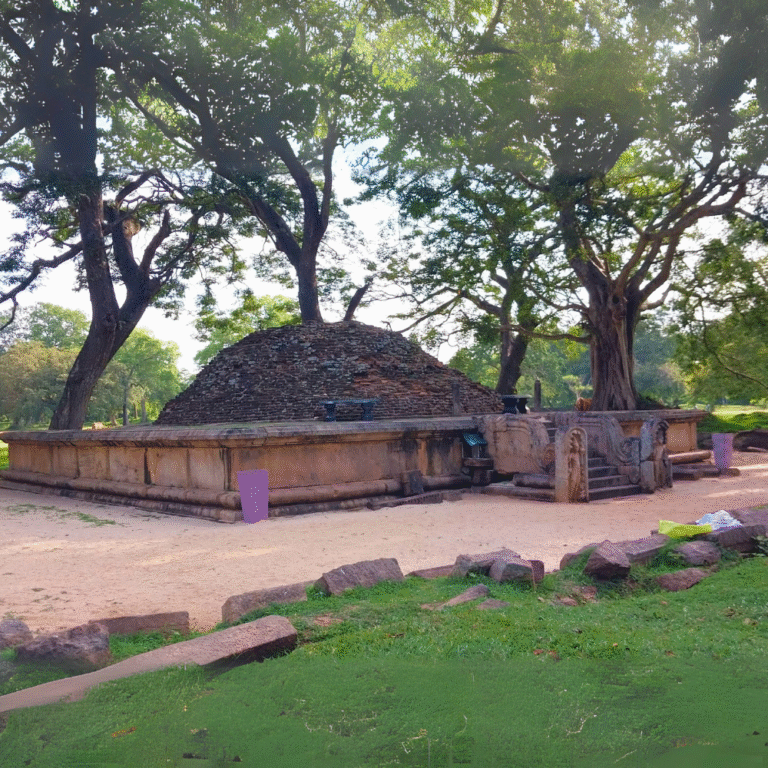
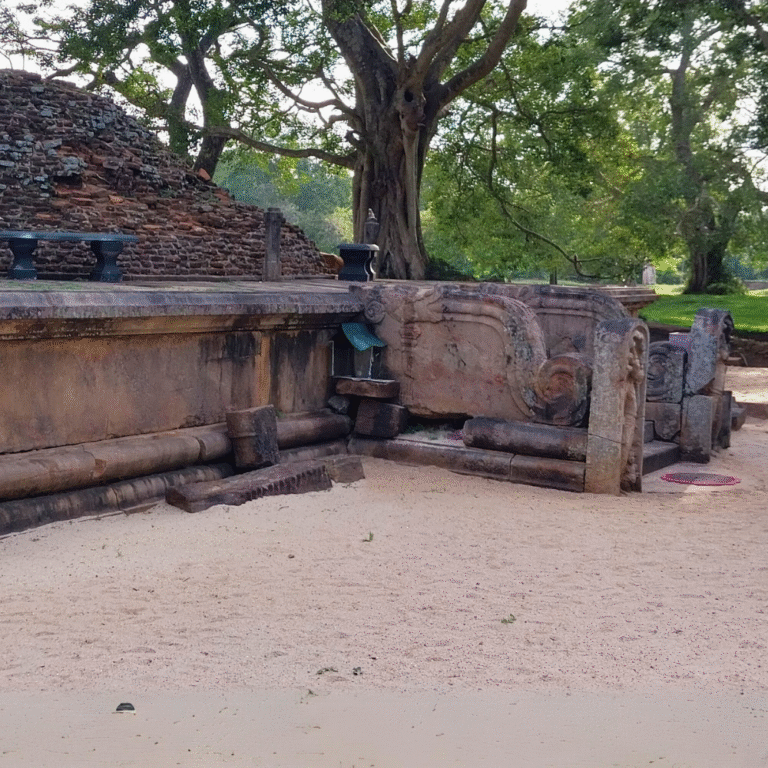
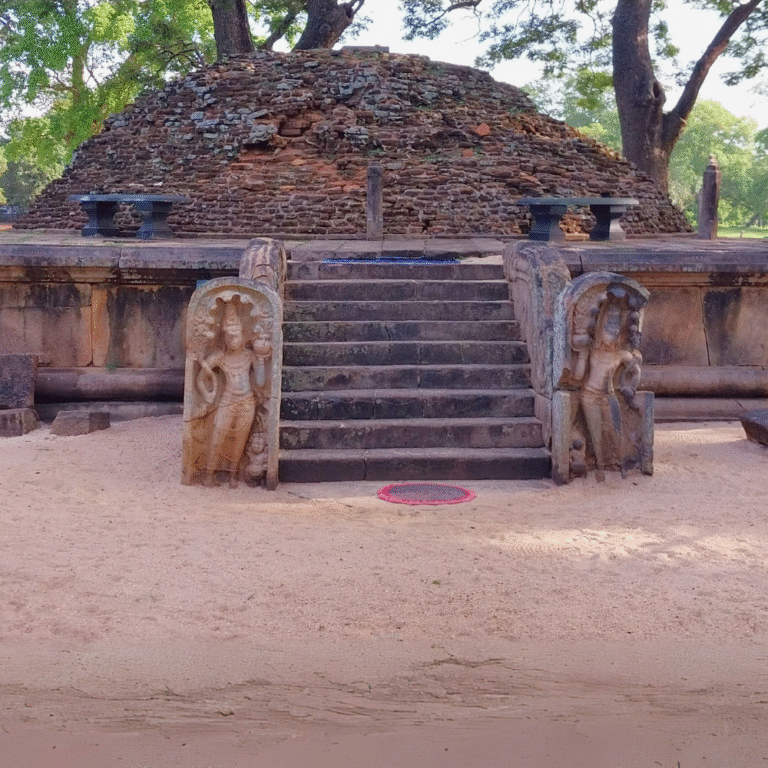
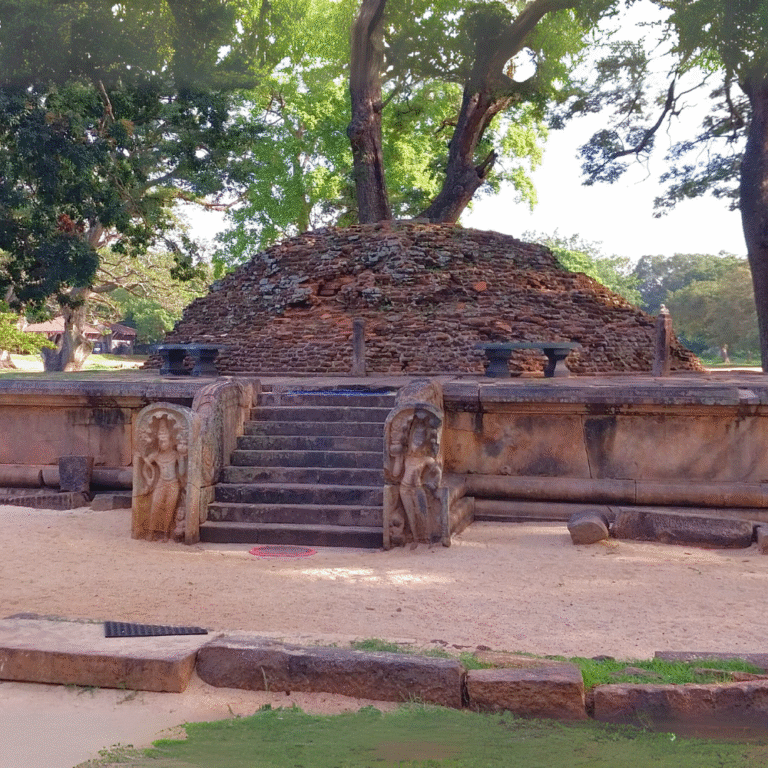
- Architectural Features: It has a small, square platform with entrances on all four sides, surrounded by a retaining wall made of large granite slabs, and is decorated with exquisite guard stones and balustrades on the southern and eastern entrances.
- Historical Excavation: The stupa was rediscovered in 1895, previously just a mound of ruined brickwork, and was found to have a base diameter of about 37 feet 5 inches, standing on a 46-foot 9-inch square paved platform.
- Legends and Myths: The stupa is linked to two legends—one involving the psychic monk Kujjatissa and another associating it with the ashes of the defeated king Elara, who is said to have been buried here.
- Location and Accessibility: Positioned just 265 meters northeast of the Ruwanweli Maha Seya, the stupa is easily accessible but often overlooked by pilgrims due to its proximity to the busier sacred sites.