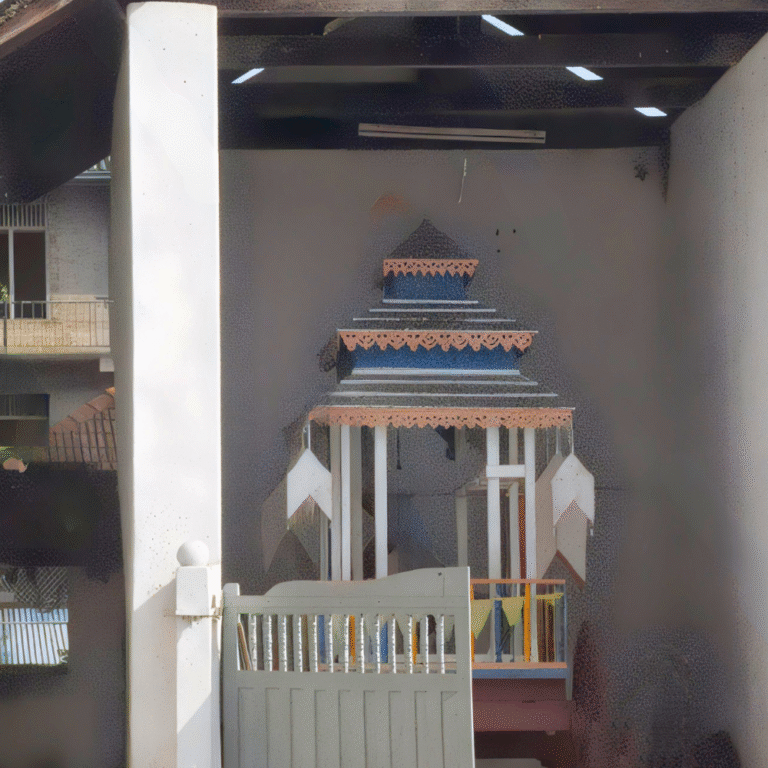
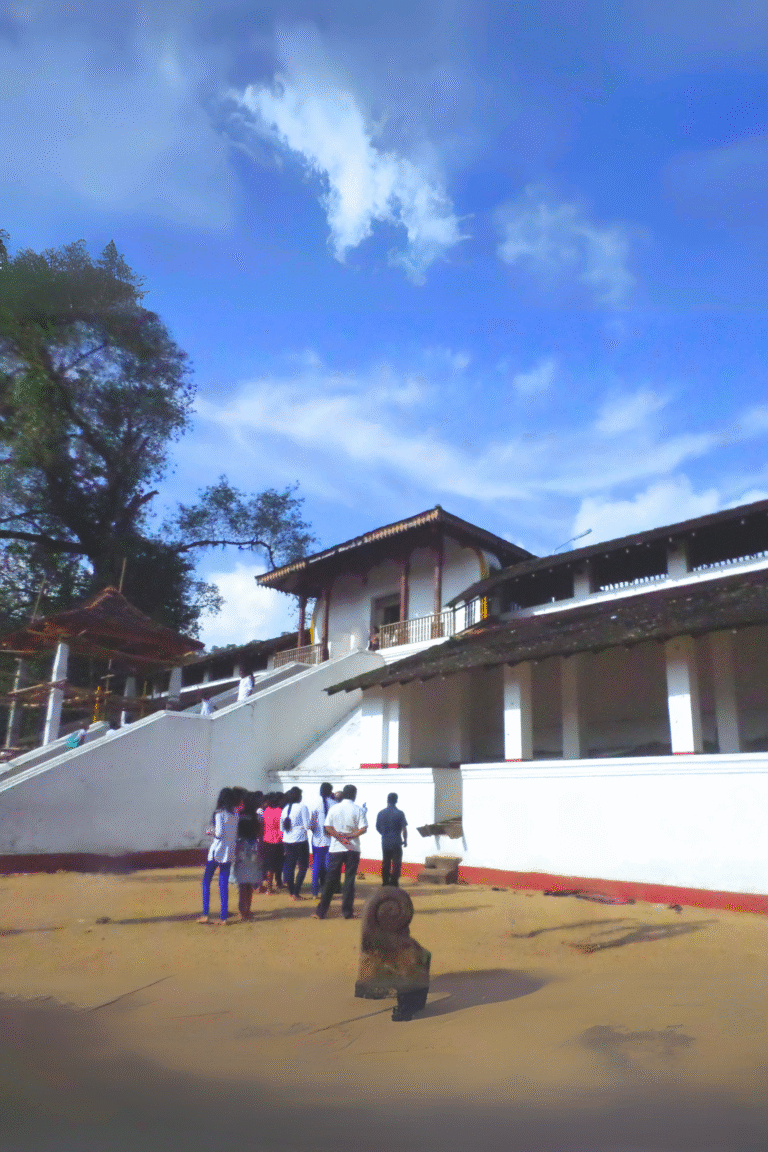
- Historical Significance Linked to Buddhist Tradition: The shrine is strongly connected to Sri Lankan Buddhist tradition, as Deity Saman is widely respected as a guardian deity associated with sacred sites and pilgrim protection.
- Historic Royal Patronage: The devalaya is believed to have received royal patronage from several Sri Lankan kingdoms, including the Dambadeniya, Kotte, and Kandyan periods, reflecting its long-standing cultural importance.
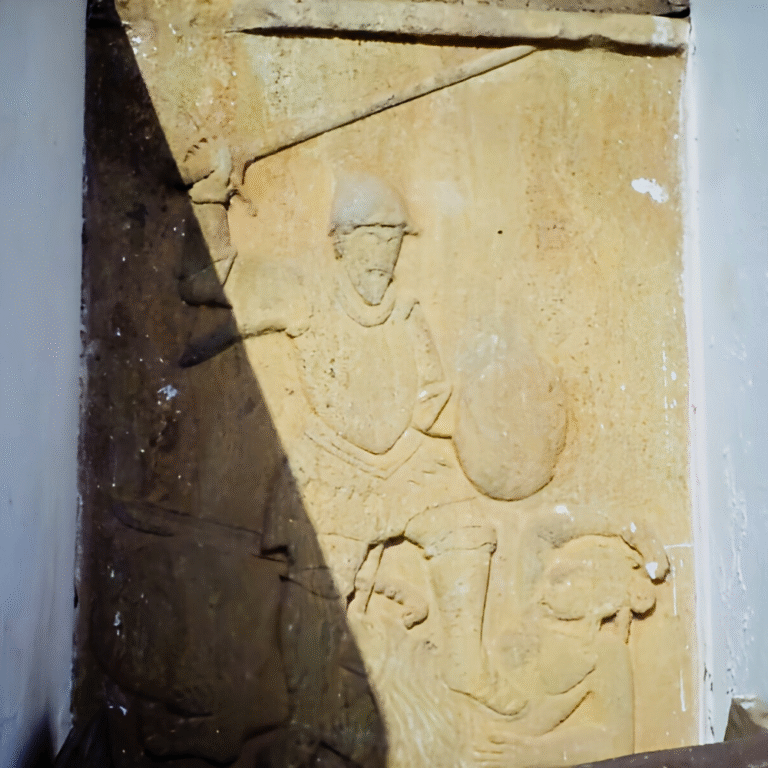
- Site of Religious Transition: Historical records and local tradition state that the site was influenced during the Portuguese period, including a time when Christian structures were established, before later being reclaimed and restored as a local religious shrine.
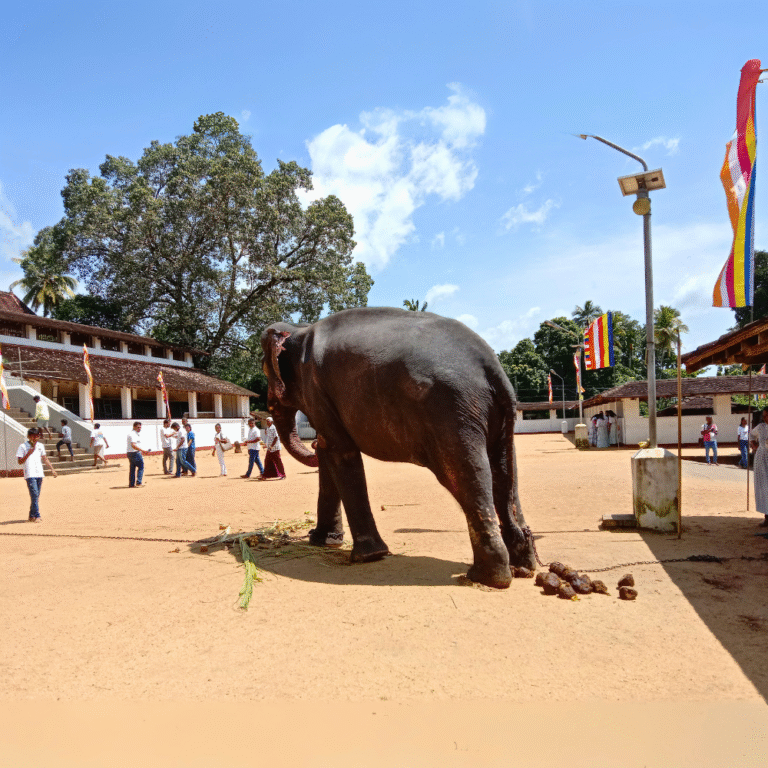
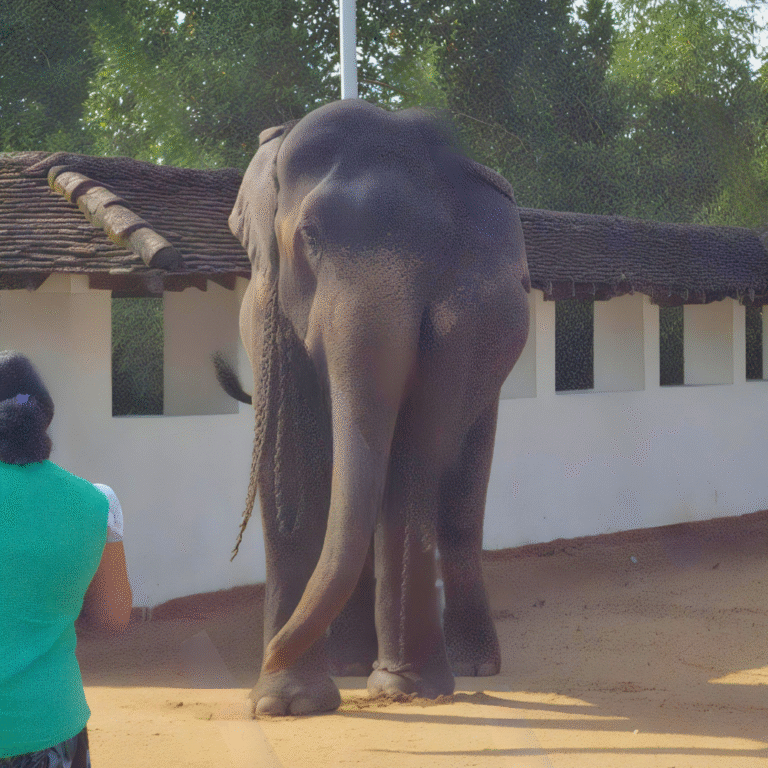
- Host of a Major Perahera: The shrine is well known for its annual Esala Perahera (August–September), featuring traditional dancers, drummers, and decorated elephants, making it one of the key cultural events in the Ratnapura region.
- Connection to a Sacred Peak: As the main shrine dedicated to Deity Saman, the guardian deity of Sri Pada (Adam’s Peak), it is an important stop for pilgrims and devotees visiting the sacred mountain.
- Portuguese-Era Historical Remains: The temple grounds include stone artefacts and inscriptions linked to the Portuguese period, offering a rare glimpse into a complex time of religious and cultural conflict in Sri Lanka.