
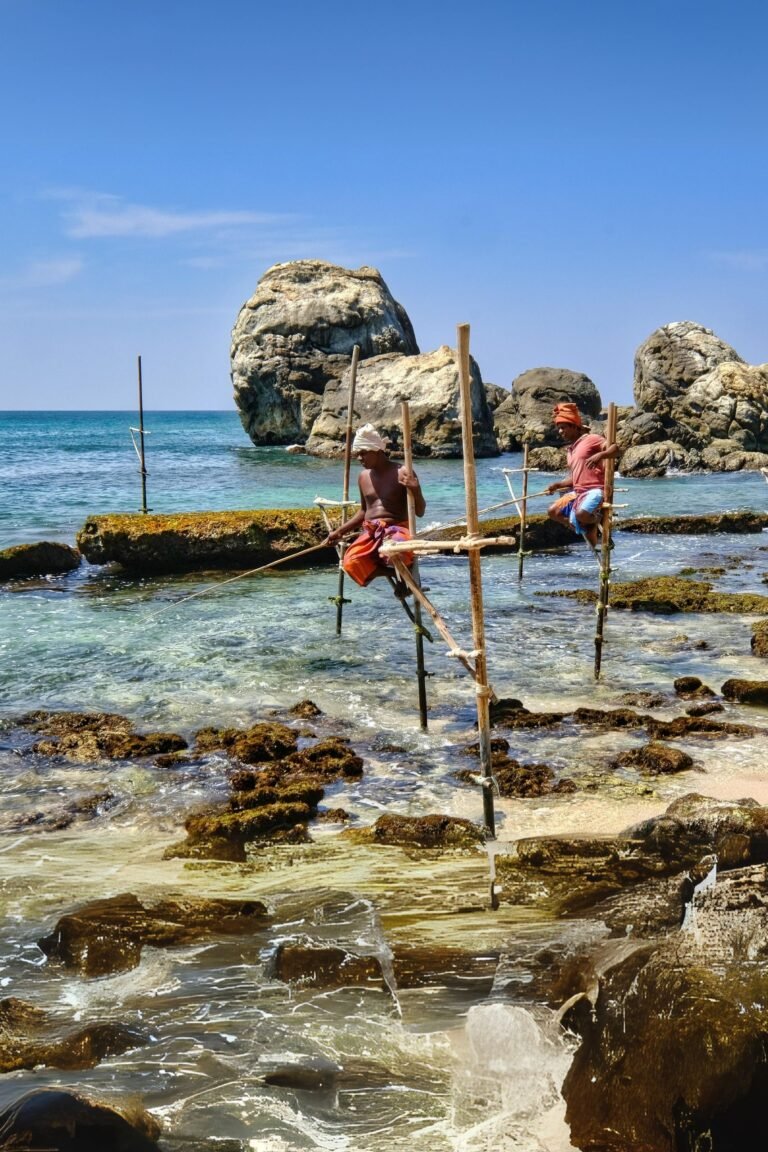
Fisherman perched on a stilt in Ritipanna

Stilt Fishing (Ritipanna) – A Beautiful Blend of Culture and Coastal Life

Stilt Fishing (Ritipanna) – A Beautiful Blend of Culture and Coastal Life

✈️ Why should you visit Sigiriya?

Stilt Fishing, or *Ritipanna*, is an iconic and picturesque traditional fishing method seen along the southern coast of Sri Lanka, notably in areas like Koggala and Weligama.
  • Unique Fishing Technique: Stilt fishing (Ritipanna in Sinhalese) is a distinct traditional method of fishing where the fisherman balances precariously on a crossbar tied to a pole submerged in a shallow sea or riverbed, using a fishing rod and angled hook.
  • Post-WWII Origin: This specific style of stilt fishing (Ritipanna) in the shallow coastal waters of the southern coast originated during or shortly after World War II, due to food shortages, overfishing, and the influx of British troops.
  • Iconic Southern Coastal Tradition: The practice is an iconic cultural tradition exclusive to Sri Lanka’s southern coastal region, commonly seen (and sometimes performed for tourists) in areas such as Koggala (most famous), Ahangama, Weligama, and Mirissa.
  • Photographic Spectacle: Ritipanna has become a major tourist draw, offering a breathtaking and unique photographic sight, especially during dawn and twilight hours.
  • Commercialized Tourist Experience: The practice has become highly commercialized in many spots, with tourists often paying a small fee (approximately 500–3,000 LKR, varying by location and negotiation) for photos, posing on stilts, or short experiences with fishermen.
Entity

Government

Entrance

Free

Wheelchair Access

No

Water

Available

Restaurants

Available

Toilets

Available

District: Galle

Reach

Any vehicle

Road Quality

Good

Public Transport

Available

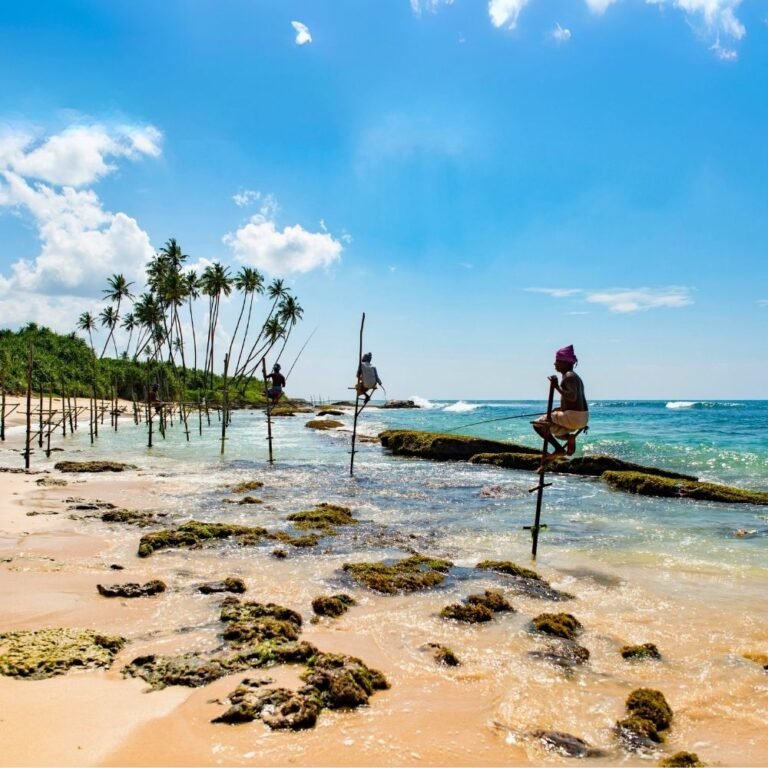
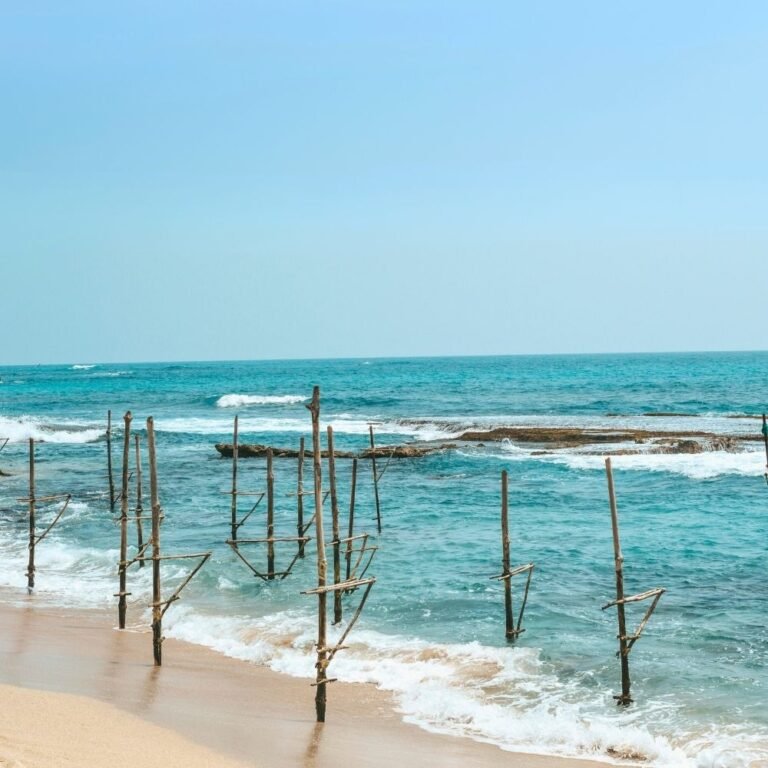
Ritipanna stilt fishing, a unique Sri Lankan tradition
Ritipanna coastal stilt fishing activity
Traditional stilt fishing in Ritipanna, Sri Lanka
Scenic view of stilt fishermen in Sri Lanka

Guidelines

Safety First – The area may be slippery or near water currents. Wear proper footwear, avoid climbing on stilts, and keep a safe distance from the water. Environment Protection – Do not litter. Dispose of plastics and food waste properly, and avoid polluting the water or the beach. Cultural Sensitivity – Dress modestly and behave respectfully, as it is a local fishing community. Loud noises or inappropriate behavior can disturb their work.