Sacred Thuparama Image House Anuradhapura architecture

Thuparama Image House – A beautiful, ancient image house

Thuparama Image House – A beautiful, ancient image house

✈️ Why should you visit Sigiriya?

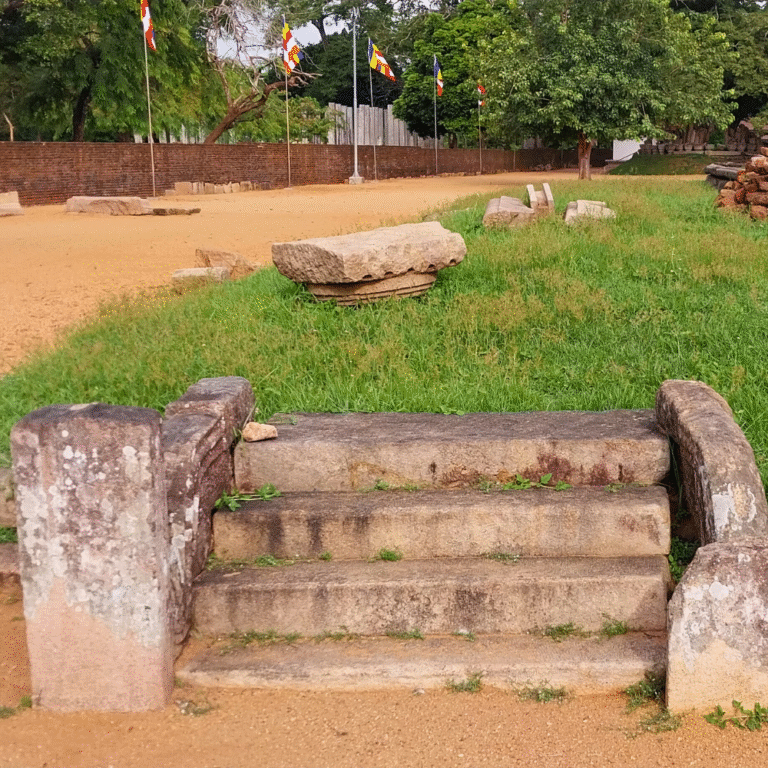
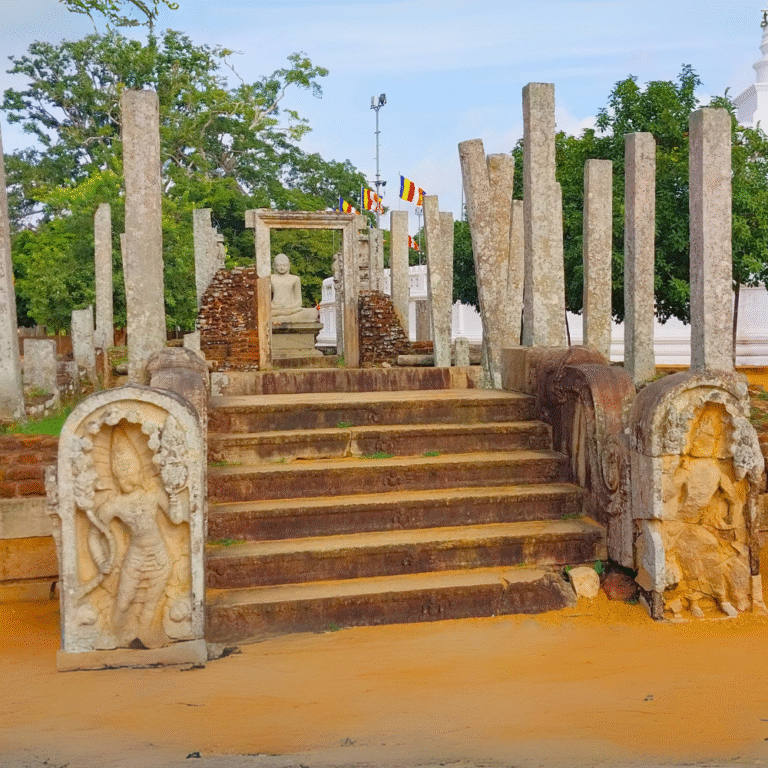
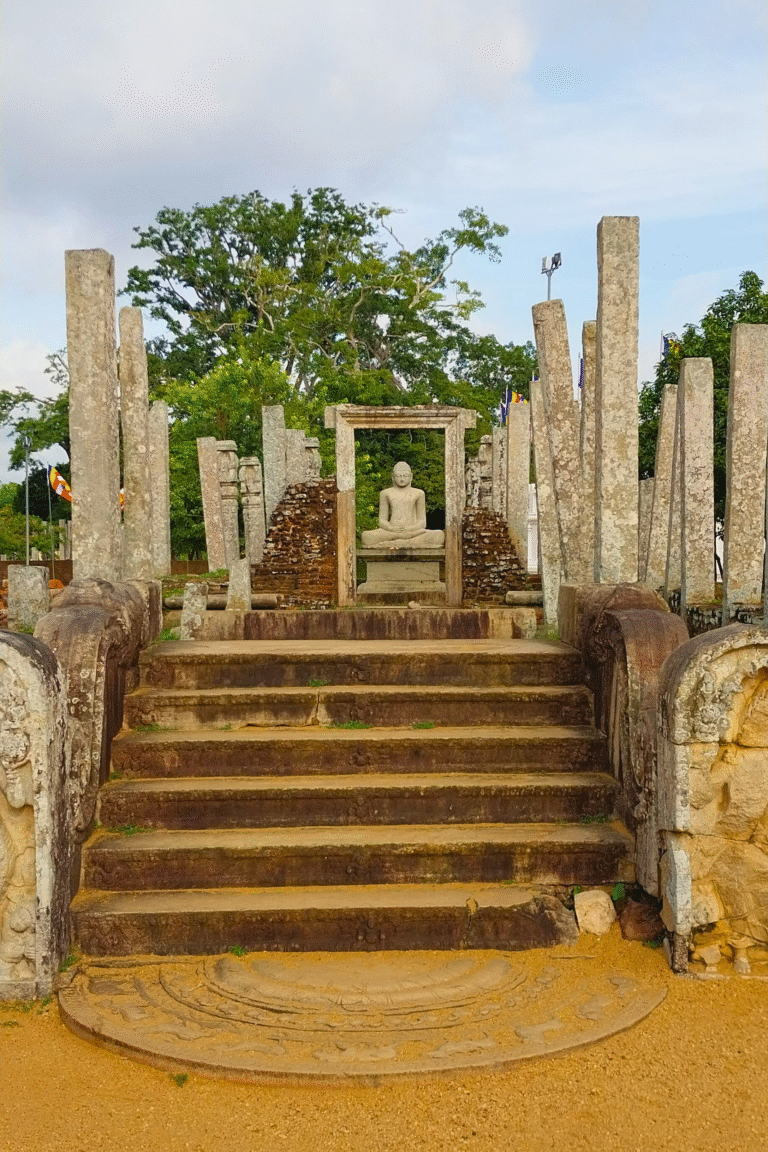
The Thuparama Image House, a part of the ancient Thuparama monastic complex in Anuradhapura, is a significant ruin notable for its unique pillar capitals, which are the only existing examples of an ancient Patimaghara (Image House) from the Maha Vihara complex.
  • Historical Significance: Thuparamaya is the first stupa built in Sri Lanka after Buddhism was introduced, commissioned by King Devanampiyatissa in the 3rd century BCE under the guidance of Mahinda Thero, enshrining the right collarbone relic of Lord Buddha.
  • Sacred Buddhist Site: It is one of the Atamasthana (eight most sacred sites in Anuradhapura) and holds the 12th position in Solosmasthana (sixteen sacred sites of Sri Lanka), making it a revered location for Buddhist devotees.
  • Architectural Marvel: The complex features one of the very few surviving Patimaghara (Image Houses) of the ancient Maha Vihara, with unique pillars adorned with vajra or trident motifs symbolizing the Buddha’s unshakable wisdom.
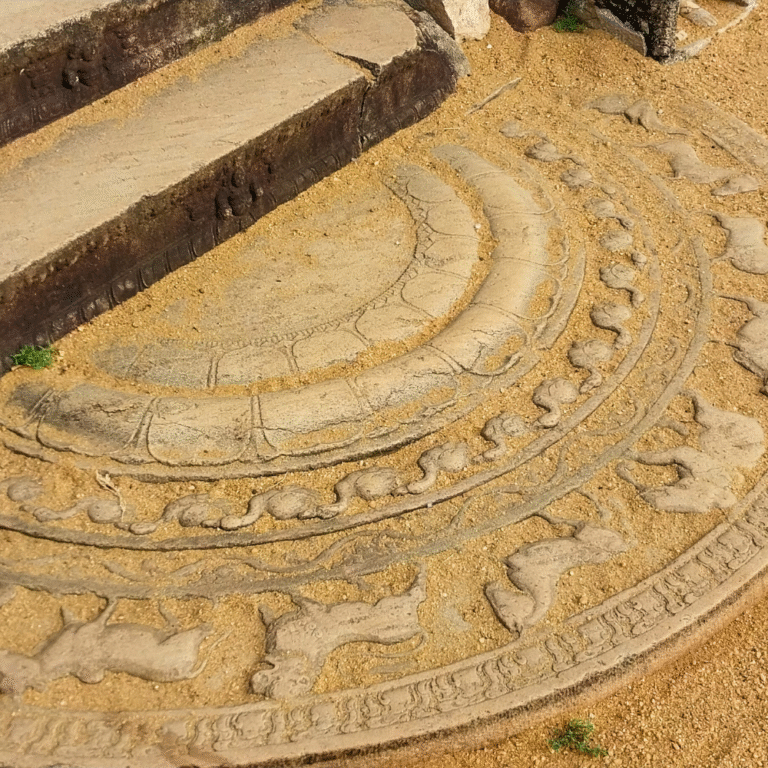
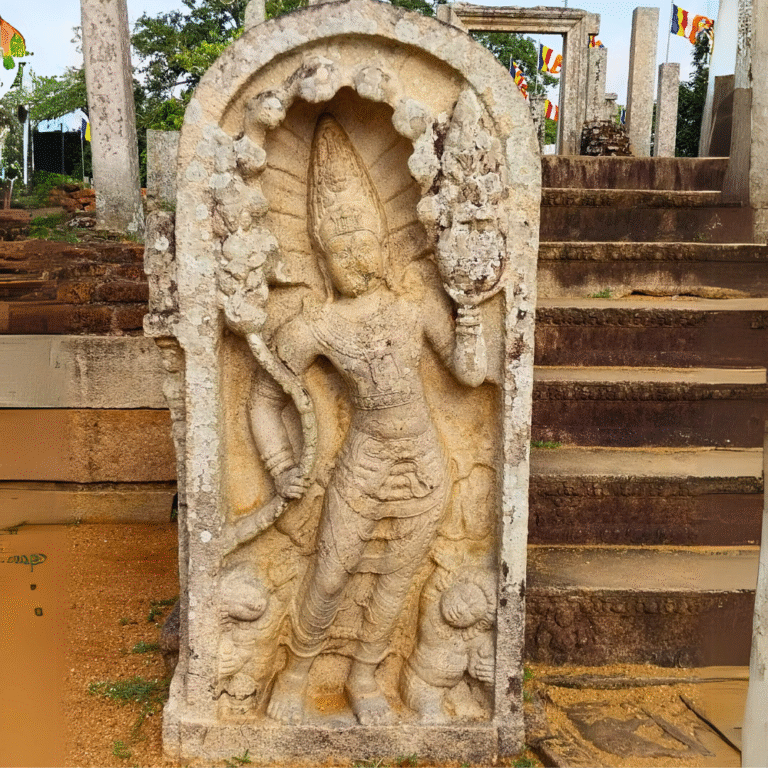
  • Cultural Richness: The entrance to the Image House boasts intricately carved moonstones, balustrades, and guardstones, showcasing the artistic sophistication of ancient Sri Lankan craftsmanship.
  • Ancient Reservoir: The Basawakkulama Wewa, located nearby, is Sri Lanka’s oldest reservoir, built in the 4th century BCE by King Pandukabhaya, reflecting the advanced engineering and water management of the era.
Entity

Government

Entrance

Free

Wheelchair Access

No

Water

Available

Restaurants

Available

Toilets

Available

District: Anuradhapura

Reach

Any vehicle

Road Quality

Good

Public Transport

Available

Thuparama Image House Buddhist heritage monument
Historical Thuparama Image House temple site
Thuparama Image House in Anuradhapura Sri Lanka
Ancient Buddhist shrine Thuparama Image House

Guidelines

Mind Your Attire : Cover shoulders and knees. Modest clothing shows respect for the temple’s sanctity. Protect the Monuments : Do not touch frescoes, statues, or walls. Preserve the 2,300-year-old heritage for future visitors. Barefoot Respect : Always remove shoes and socks before entering. Walking barefoot honors the sacred space.