
Sri Lankan food is not Indian food with a different flag. It is its own thing entirely — fiercer, more coconut-forward, built on a spice palette that includes goraka (dried gamboge), pandan leaf, rampe, lemongrass, and roasted curry powder unlike anything used on the subcontinent. It is also one of the most underrated cuisines on earth.
Visitors who play it safe — sticking to hotel buffets and tourist-menu pasta — leave having missed the most important thing about the island. Here is what you should actually be eating.
“Sri Lankan food is a love language. Every home cook has a version of every recipe that they will tell you, with complete confidence, is the only correct one.”
1. Rice & Curry
To describe Sri Lanka’s national dish as “rice and curry” is a bit like describing a symphony as “some noise.” A proper rice and curry spread — served on a large plate or, ideally, a banana leaf — consists of red or white rice surrounded by five to eight different preparations: a fish or meat curry, a dhal, a coconut sambol, a green leaf mallum, a fried vegetable, a seeni sambol (sweet onion relish), and papadam to scoop it all together. The coconut milk in every curry softens the heat; the Maldive fish flakes amplify it.
The best rice and curry you will eat in Sri Lanka will not be in a restaurant. It will be in a home, or at a highway-side local eatery where the curries have been simmering since 6 AM. Ask your guesthouse host to recommend the best local place — they will know exactly where to send you.
2. Kottu Roti
Kottu is Sri Lanka’s midnight soul food: flatbread (roti) chopped on a hot iron griddle with vegetables, egg, and your choice of chicken, beef, seafood, or cheese, seasoned with curry sauce and beaten into a magnificent, fragrant scramble with two metal blades. The sound of kottu being made — a rapid, rhythmic ketch-ketch-ketch of the blades on the griddle — is one of the defining sounds of any Sri Lankan town after dark.
Order it from a roadside kottu stand, not a hotel menu. Wash it down with a cool Lion Lager. This is not negotiable.
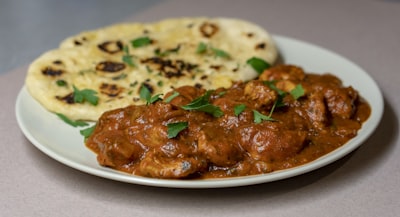
Rice & Curry
The national spread — rice surrounded by up to eight different curries and sambols.
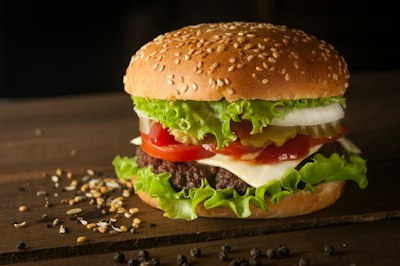
Kottu Roti
Chopped flatbread stir-fried with egg, vegetables and curry sauce on a hot griddle.

Hoppers (Appa)
Bowl-shaped fermented rice flour and coconut milk crepes, crispy at the edges.
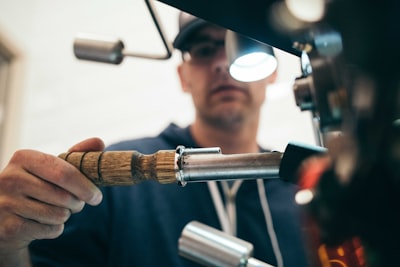
Ceylon Tea
Drunk strong and sweet from a small glass — the defining beverage of the hill country.
3. Hoppers (Appa)
A hopper is a bowl-shaped crepe made from a fermented batter of rice flour and coconut milk, cooked in a small wok over high heat until the edges are lacy-crisp and the centre is soft and spongy. Eaten for breakfast or dinner, they come plain, with an egg cracked into the centre (egg hopper), or sweetened with jaggery (a palm sugar) for dessert. String hoppers — thin rice noodles pressed into discs and steamed — are their close cousin and are typically served with coconut milk gravy and pol sambol (fresh coconut relish).
Hoppers eaten at 7 AM from a street-corner stall, still hot from the pan, with a small pot of seeni sambol on the side, is one of the great cheap breakfasts of the world.
4. Pol Sambol
Not a dish you order alone, but a preparation you will encounter at nearly every Sri Lankan table: freshly grated coconut mixed with red onion, dried Maldive fish, green chilli, lime juice, and chilli flakes. It is raw, fresh, sharp, and deeply savoury all at once. Spread on a piece of coconut roti, spooned alongside hoppers, or mixed through rice — pol sambol is the quiet genius behind half the meals you will eat in Sri Lanka.
5. Crab Curry
Sri Lanka’s crabbing waters, particularly around Negombo and the lagoons of the west and north, produce fat, sweet crabs that local cooks turn into some of the finest curries in Asia. A proper Sri Lankan crab curry — heavy with coconut milk, darkened with roasted chilli and goraka, served with a pile of fresh bread rolls to soak up the sauce — is a meal that requires both sleeves rolled up and genuine commitment. The Ministry of Crab in Colombo has made this dish internationally famous, but equally good versions exist in small coastal restaurants for a fraction of the price.
6. Lamprais
A remarkable dish born from the Dutch colonial era: a mixture of rice, several small curries, frikkadels (Dutch-origin meatballs), and sambol, all wrapped together in a banana leaf and baked in an oven until the leaf has perfumed everything inside it. The result is deeply savoury, slightly smoky, and unlike anything else — a genuine hybrid of two culinary traditions that has become a uniquely Sri Lankan treasure. Seek it out in Colombo’s Dutch Burgher community restaurants.
7. Devilled Dishes
“Devilled” in Sri Lankan cooking means stir-fried with onions, green chilli, capsicum, tomato, and a generous hand of Sri Lankan chilli sauce until the edges are charred and caramelised. Devilled prawns, devilled chicken, devilled squid — all are extremely good. This is Sri Lankan pub food, born in the social clubs of Colombo and still served at any “short eats” bar worth its salt. The heat level is not polite.
8. Isso Vadai
These are lentil fritters crowned with a whole prawn, deep-fried until golden and crunchy, and served with coconut sambol and a squeeze of lime. You will find them on the sea wall in Jaffna, on the Galle Face Green promenade in Colombo, and at any self-respecting street food stall across the island. They cost almost nothing and are completely addictive. Budget approximately fifteen minutes and six pieces per person.
9. Watalappam
Sri Lanka’s most beloved dessert is a Malay-origin coconut custard pudding made with jaggery (kithul palm treacle), eggs, coconut milk, and warm spices — cardamom, cloves, nutmeg. It is steamed rather than baked, which gives it a silky, trembling texture, and eaten at room temperature or chilled. Watalappam appears at every Sri Lankan celebration, every hotel buffet, and in small portions at the end of a home-cooked meal. It is comfort food at its most refined.
🍵 Don’t Miss
Drink your tea the Sri Lankan way — brewed strong with milk and two spoons of sugar, served in a small glass. In the hill country, visit a working tea factory and taste the freshly processed leaves directly. The flavour difference from what you find in a packet is extraordinary.
10. A Ceylon Tea Experience
Technically a drink rather than a dish, but to visit Sri Lanka without understanding its tea is to miss something fundamental about the island’s identity. Sri Lanka (then Ceylon) has been producing tea since 1867, and the country’s seven distinct tea-growing regions — each with its own altitude, rainfall, and flavour profile — produce a range as varied as wine. Nuwara Eliya teas are delicate and light. Dimbula teas are full-bodied and brisk. Uva teas, particularly at high altitude, have a distinctive mentholated note that no other tea in the world replicates.
Book a guided tour of a working tea estate near Hatton or Nuwara Eliya. You will walk the plucking fields, watch the withering, rolling, and oxidation process, and sit down at the end to taste four or five different grades side by side. It will change how you think about tea for the rest of your life.
Where to Eat: A Few Honest Recommendations
For the best rice and curry, look for a local “hotel” — in Sri Lanka this word confusingly refers to a simple eatery rather than a place to sleep. These are typically found near bus stations and markets. They serve fresh food cooked that morning, at prices that will seem comically low. For seafood, the fishing towns of Negombo, Mirissa, and Trincomalee have local restaurants where you choose your fish from the ice box and negotiate a price. For kottu after midnight in Colombo, the stretch of road through Borella and Maradana never sleeps.
Eat widely, eat bravely, and always ask what is fresh that day. The answer will rarely disappoint you.
Sri Lankan FoodRice & CurryStreet FoodKottuCeylon TeaFood Guide